
IPTV streaming is transforming the television landscape by delivering content over the internet. IPTV, or Internet Protocol Television, enables users to watch live broadcasts, stream video-on-demand (VoD), and access time-shifted programming from any internet-connected device – all without antennas or decoders.
This comprehensive guide will explore the revolutionary world of IPTV and how it’s changing the way viewers consume television content. You’ll discover how IPTV differs fundamentally from traditional broadcasting methods, offering unprecedented flexibility and control over what, when, and where you watch your favourite shows and movies.
What You’ll Learn from This Guide
- We’ll explore the technical foundations of IPTV, including its infrastructure and streaming protocols.
- You’ll understand the various service types available, from live TV to on-demand content.
- This guide will walk you through the equipment requirements, ensuring you’re well-equipped to start your IPTV journey.
- We’ll address common concerns about internet dependency, bandwidth requirements, and legal considerations.
- By the end of this guide, you’ll be able to make informed decisions about incorporating IPTV into your entertainment setup.
As we delve into the world of IPTV, you’ll understand why IPTV services are rapidly gaining popularity as cost-effective alternatives to conventional cable and satellite subscriptions, while appreciating both their advantages and limitations.
Understanding IPTV What: The Basics of Internet Protocol Television
As we explore the world of IPTV, it’s essential to understand the basics of Internet Protocol Television. IPTV is a technology that delivers television content via the internet, offering a modern alternative to traditional broadcasting methods.
Definition and Core Concept
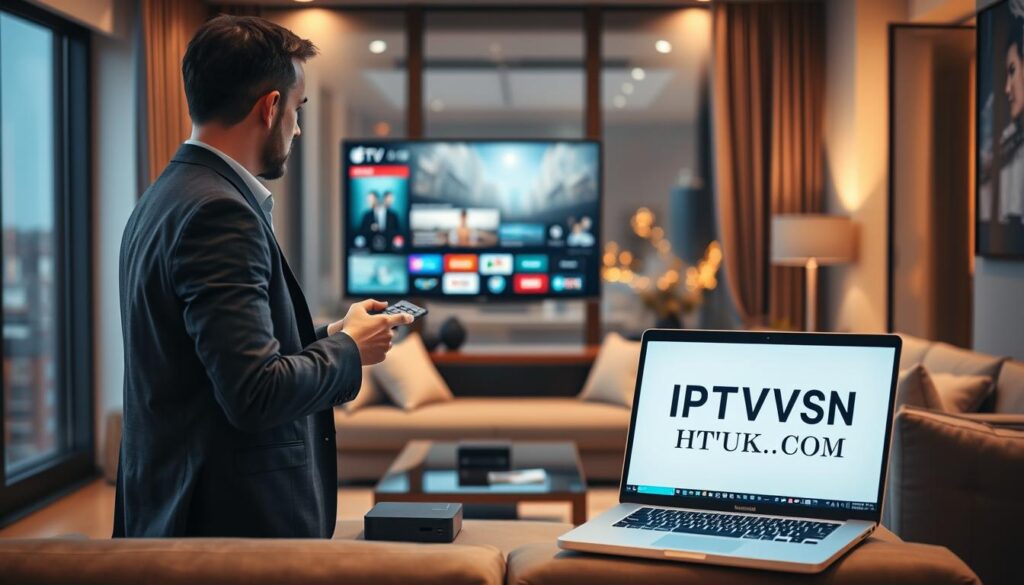
IPTV, or Internet Protocol Television, uses an internet protocol (IP) based network to deliver TV channels to users’ set-top boxes or other compatible devices. This approach differs significantly from traditional cable and satellite television, which rely on broadcast signals and physical infrastructure. With IPTV, content is delivered via internet protocols, allowing for a more personalized and interactive viewing experience.
How IPTV Differs from Traditional Broadcasting
Traditional cable and satellite television operate on a “push” model, where all channels are simultaneously broadcast to viewers who tune in to their desired channel from a fixed schedule of programming. In contrast, IPTV services use a “pull” model, where only the specific content you request is sent to your device, improving bandwidth efficiency.
- IPTV services deliver content via internet, reaching any location with a suitable connection, unlike satellite systems that require line-of-sight to orbital satellites or cable networks that need physical infrastructure.
- Unlike traditional broadcasting, which follows rigid programming schedules, IPTV offers on-demand viewing alongside live channels, freeing viewers from broadcast timetables.
- The two-way communication capability of IPTV enables interactive features like pause, rewind, and content recommendations, enhancing the viewing experience.
For those interested in exploring IPTV services, visiting a reputable IPTV provider can offer a range of options and packages tailored to different viewing preferences.
The Technology Behind IPTV Streaming
Understanding IPTV streaming requires a look into its underlying technology infrastructure. IPTV, or Internet Protocol Television, uses the internet to deliver television programs and video content. This method of content delivery is fundamentally different from traditional broadcasting methods.
Internet Protocol Fundamentals
The foundation of IPTV lies in Internet Protocol (IP), which is a set of rules governing data communication over the internet. IP allows for the transmission of video content by breaking it down into data packets that are sent over the internet. This process enables efficient and flexible content delivery.
IPTV Architecture and Infrastructure
The architecture of IPTV involves a complex infrastructure that includes content providers, servers, and networks. Content is stored on servers, which are typically managed by IPTV service providers. These servers transmit programs through fiber-optic cables to households via an internet connection.
Streaming Protocols and Data Transmission
IPTV relies on specialized streaming protocols such as HLS (HTTP Live Streaming) and MPEG-DASH. These protocols break content into small segments for efficient transmission across varying network conditions. When you select content on your device, it communicates with the content providers’ servers, establishing a dedicated stream of data packets.
Key aspects of IPTV streaming technology include:
- Adaptive bitrate streaming, which adjusts video quality based on available bandwidth to prevent buffering.
- Sophisticated error correction techniques to ensure uninterrupted service.
- The ability to start watching content almost immediately, as your device processes and displays data packets as they arrive.
By leveraging these technologies, IPTV provides a robust and flexible platform for delivering high-quality video content over the internet.
Main Types of IPTV Services
IPTV technology supports multiple service types, revolutionising how we consume television content. These services cater to diverse viewer preferences, offering flexibility and enhanced viewing experiences.
Video on Demand (VOD)
Video on Demand (VOD) is a popular IPTV service that allows users to select and watch content at their convenience. With VOD, viewers can browse through a vast library of movies, TV shows, and documentaries, pausing, rewinding, or fast-forwarding as needed. This service is particularly appealing to those who value flexibility in their viewing schedule. To explore the best video on demand IPTV services, you can visit IPTV UK for comprehensive options.

Time-Shifted Media (Catch-up TV)
Time-Shifted Media, commonly known as Catch-up TV, enables viewers to watch previously aired content at a later time. This service is beneficial for those who miss their favourite shows or sporting events due to scheduling conflicts. Catch-up TV combines the benefits of traditional TV with the flexibility of IPTV, allowing users to stay up-to-date with their preferred content.
Live IPTV Broadcasting
Live IPTV broadcasting delivers real-time television channels via internet protocols, replicating the traditional TV experience while adding enhanced features and flexibility. This service type allows you to watch sporting events, news broadcasts, and special programmes as they happen, maintaining the immediacy and shared viewing experience of conventional television. Unlike traditional broadcasting, live IPTV channels can be accessed on multiple devices and locations, freeing viewers from the constraints of a physical television set in a fixed location.
Popular providers like Hulu + Live TV, YouTube TV, Sling TV, AT&T TV, and Philo offer comprehensive packages of live channels that closely mirror traditional cable bundles but deliver content via internet streaming rather than coaxial cables or satellite dishes.
Essential Equipment for IPTV Streaming
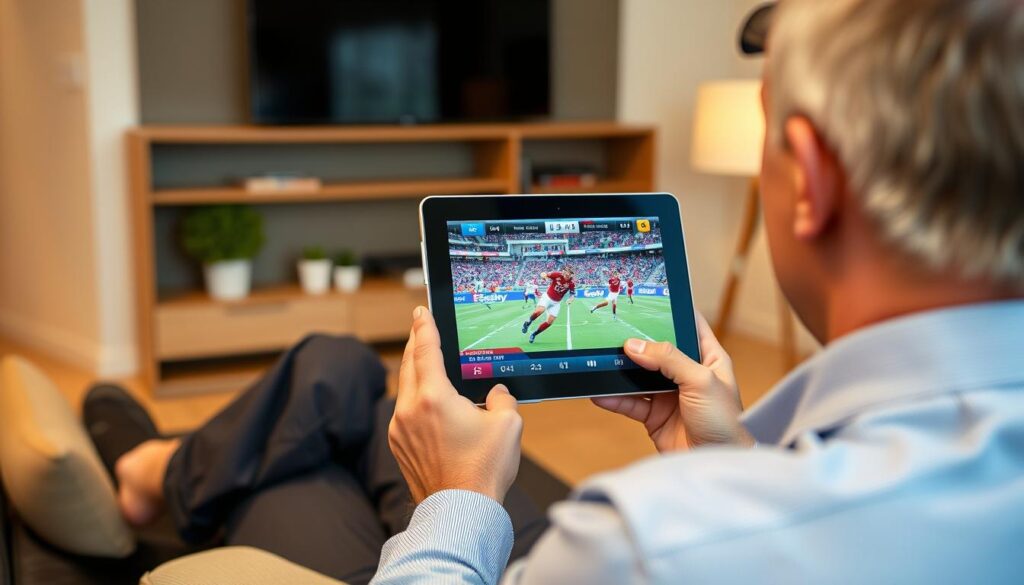
The key to a seamless IPTV experience lies in understanding the essential equipment required. To enjoy IPTV streaming, you’ll need a combination of the right hardware and a stable internet connection.
Internet Connection Requirements
A stable and fast internet connection is crucial for IPTV streaming. The recommended minimum speed is typically around 5 Mbps for standard definition and up to 25 Mbps or more for high-definition content. Ensure your internet service provider can meet these demands to avoid buffering and poor video quality.
Set-Top Boxes and Smart Devices
To access IPTV services, you’ll need a device that can decode and play back the streamed content. Popular options include dedicated IPTV set-top boxes, smart TVs, and streaming devices like Roku or Amazon Fire TV. When choosing a device, consider compatibility with your IPTV service providers and the quality of the user interface.
Software and Applications
IPTV services typically require specific apps or software to manage and play back your subscribed channels. Legitimate IPTV providers offer official applications available on major app stores, ensuring a consistent experience across various devices, including smart TVs, streaming devices, smartphones, and computers. Quality software should offer intuitive navigation, comprehensive electronic programme guides, and personalisation features.
When selecting an IPTV service, consider the quality and availability of their app across your preferred devices. A well-designed application can significantly enhance your viewing experience, while a poorly designed one can detract from it, regardless of the content quality offered by the IPTV box or device you’re using.
Benefits of Switching to IPTV
With its flexible pricing models and wide range of content options, IPTV is becoming an attractive choice for many viewers. As you consider making the switch, it’s essential to understand the benefits that IPTV services can offer.
Flexibility and On-Demand Access
One of the primary advantages of IPTV is its ability to provide on-demand access to a vast library of content. Unlike traditional TV subscriptions, IPTV allows you to watch what you want, when you want. This flexibility is particularly appealing to those with busy schedules or varied viewing preferences.
Multi-Device Compatibility
IPTV services are designed to be compatible with a range of devices, from smart TVs and smartphones to tablets and computers. This multi-device compatibility ensures that you can enjoy your favourite shows and movies across different platforms, enhancing your viewing experience.
Cost-Effectiveness Compared to Cable
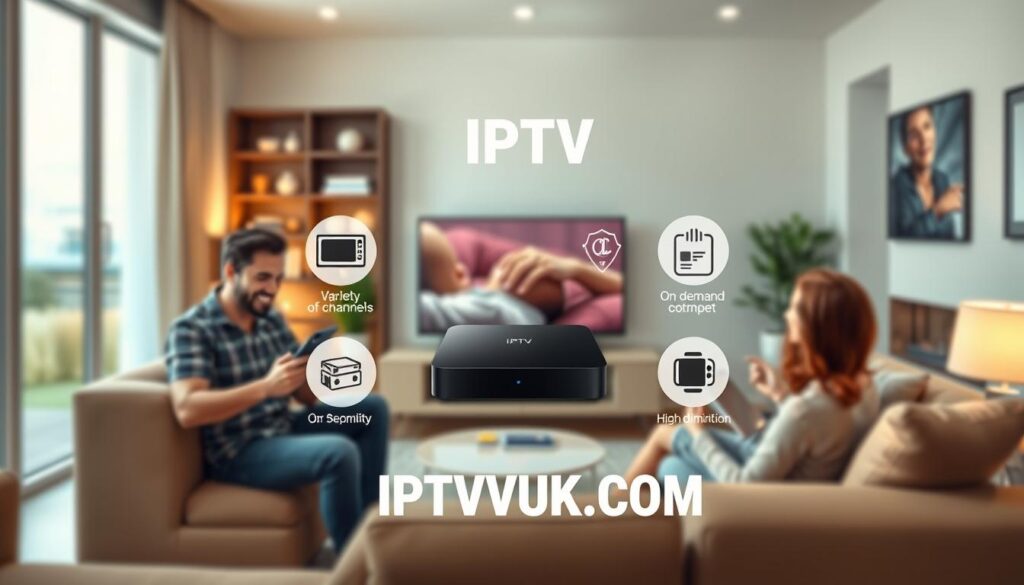
For many consumers, one of the main motivations for switching to IPTV is the potential to save money. Traditional cable packages often come with long-term contracts, hidden fees, and bloated channel bundles that force you to pay for dozens of channels you never watch. In contrast, IPTV services, particularly newer, independent providers, offer more flexible and affordable pricing models. You can visit this page to explore specific IPTV plans and their benefits.
- IPTV services allow for more targeted subscription options, focusing on content you’ll actually watch.
- The elimination of equipment rental fees represents significant savings, as traditional cable providers charge monthly fees for each set-top box.
- IPTV providers rarely require long-term contracts with early termination penalties, offering month-to-month subscription flexibility.
- The competitive IPTV marketplace has driven down prices while increasing value, with many services offering HD and even 4K content at lower price points than comparable traditional cable packages.
By switching to IPTV, you can enjoy a more personalized viewing experience while potentially saving money on your TV subscription. As the IPTV market continues to evolve, it’s likely that the benefits of IPTV will only continue to grow.
Potential Drawbacks and Limitations
The IPTV experience is not without its issues, which can impact user satisfaction. As we’ve explored the benefits of IPTV streaming, it’s equally important to understand its limitations to make an informed decision about your television consumption.
Internet Dependency and Bandwidth Issues
One of the primary concerns with IPTV is its dependence on a stable and fast internet connection. A slow or unreliable connection can lead to buffering, poor video quality, and interrupted service. Most IPTV streaming services require a minimum bandwidth to function smoothly, and exceeding the allowed number of simultaneous broadcasts can strain your connection. “A robust internet connection is the backbone of a seamless IPTV experience,” as emphasized in a recent study on IPTV performance found here.
To mitigate these issues, it’s crucial to assess your internet service provider’s (ISP) capabilities and ensure your plan can handle the demands of IPTV streaming. You should also be aware that most IPTV services limit the number of devices that can stream content simultaneously.
Technical Challenges and Troubleshooting
IPTV systems involve multiple components, including your internet connection, router, streaming device, and the provider’s servers. This complex chain can be prone to technical issues, making troubleshooting a potentially daunting task. Common problems include device compatibility issues, particularly with older smart TVs or streaming devices that may not support the latest protocols or have sufficient processing power.
- Troubleshooting often requires technical knowledge, including understanding concepts like port forwarding and DNS settings.
- Service updates can occasionally break functionality or change interfaces without warning.
- The distributed nature of IPTV can lead to finger-pointing between your ISP and IPTV provider when issues arise.
To navigate these challenges, it’s essential to choose a reputable IPTV service provider that offers robust support and transparent communication about service updates and issues.
Legal Considerations and Choosing Legitimate Services
When exploring IPTV options, it’s crucial to understand the legal landscape surrounding these services. The IPTV market is diverse, with various IPTV services available, but not all operate within legal boundaries.
Understanding Legal vs. Illegal IPTV Services
Legal IPTV services are those that have obtained the necessary licenses to provide copyrighted content. They operate transparently, with clear terms of service and secure payment methods. In contrast, illegal IPTV services often lack proper licensing, offer unrealistically low prices, and may rely on anonymous payment methods or cryptocurrencies.
A key indicator of an illegal service is pricing that seems too good to be true. For instance, a service offering thousands of premium channels, including recent movies, for $10-20 a month is likely operating illegally. Legitimate IPTV providers maintain professional websites with comprehensive information about their service, transparent pricing structures, and clear terms of service.
For more information on legitimate IPTV subscriptions, you can visit IPTV CAD, which provides insights into legal IPTV options.
How to Identify Reputable IPTV Providers
To identify reputable IPTV providers, look for official apps available on recognised app stores like Apple’s App Store and Google Play. Legitimate services also have professional websites with clear information about their streaming services and subscription models.
- Reputable IPTV providers maintain professional websites with comprehensive information about their services.
- Legitimate services offer official apps through recognised app stores.
- Pricing that aligns with market reality is a key indicator of legitimacy.
- Proper customer support channels indicate a legitimate business operation.
- Legitimate providers clearly state which channels and content they’re licensed to distribute.
Understanding the legal framework surrounding IPTV services is also important. For instance, in Canada, the Copyright Board of Canada plays a crucial role in regulating copyright-related issues.
Conclusion: The Future of IPTV and Television Consumption
IPTV is not just a new way of watching TV; it’s a gateway to a more diverse and accessible media landscape. As internet speeds increase and content creation tools become more accessible, we’re entering an era where individuals and small businesses can launch their own specialized IPTV channels.
The future of television will be characterized by a vibrant ecosystem of niche channels, each catering to specific passions, interests, or communities. With IPTV services, you can enjoy more personalized, flexible, and cost-effective entertainment options that align with modern viewing habits.
As traditional cable and satellite subscriptions decline, IPTV is poised to become the standard method of television consumption. For more information on the technical aspects of IPTV, you can refer to research papers such as this detailed analysis. The trajectory is clear: IPTV represents both the present and future of television for an ever-growing global audience.