

As we delve into the world of Internet Protocol Television (IPTV), it’s essential to understand the technology behind it and how to secure your viewing experience. IPTV delivers content over an Internet Protocol (IP) network, allowing users to stream live TV channels, movies, and videos with just an active internet connection.
For a seamless and secure streaming experience, it’s crucial to choose legitimate IPTV services. You can explore options like IG IPTV that offer a range of channels and content. By understanding the essential components and potential security vulnerabilities, you can enjoy the flexibility and convenience of IPTV while protecting your streaming activities.
Key Takeaways
- Understand the technology behind IPTV and its benefits
- Learn how to choose legitimate IPTV services for secure streaming
- Identify essential components for secure IPTV streaming
- Discover how to mitigate common security vulnerabilities
- Optimise your IPTV streaming experience for better performance
Understanding IPTV IP Technology
As we dive into the realm of IPTV, it’s clear that this technology is changing the landscape of modern television. IPTV, or Internet Protocol Television, delivers content via the internet, allowing for a more flexible viewing experience.
What is IPTV and How Does It Work?
IPTV is a system where television services are delivered through the internet protocol suite over a packet-switched network, such as a LAN or the internet. This technology enables users to stream media continuously, eliminating the need for traditional broadcast or cable formats.
The way IPTV works is by encoding video content into IP packets, which are then transmitted over the internet to the user’s device. This process allows for on-demand viewing, where users can select from a variety of content libraries.
The Evolution of IPTV IP Streaming
The evolution of IPTV has been marked by significant advancements. Initially, IPTV faced challenges such as limited bandwidth and buffering issues. However, with improvements in internet infrastructure, streaming has become more seamless.
- IPTV technology has evolved to offer 4K content and interactive features.
- The rise of video demand services has influenced IPTV development, pushing providers to enhance their offerings.
- Today’s IPTV incorporates advanced features like cloud recording and multi-device synchronisation.
This evolution reflects the industry’s continuous innovation, driven by consumer demand for better streaming experiences and more diverse content.
Essential Components for Secure IPTV IP Streaming
To enjoy IPTV securely, several key components must be in place. A reliable setup is crucial for a seamless viewing experience.
Hardware Requirements
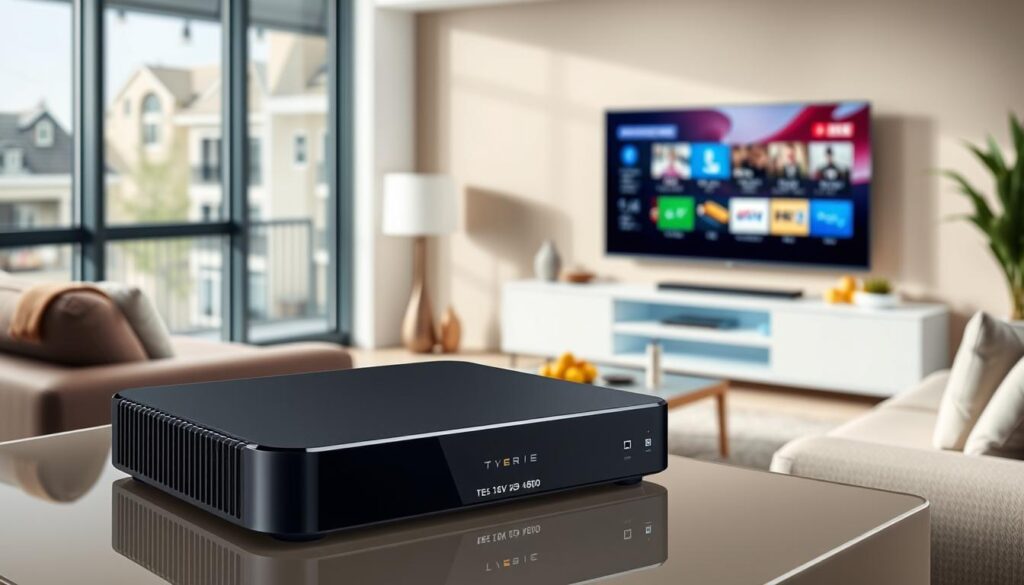
For IPTV streaming, a suitable set-top box is essential. When selecting a device, consider compatibility with your TV and the IPTV service’s requirements.
Internet Connection Specifications
A stable and fast internet connection is vital for IPTV. Ensure your broadband meets the minimum speed requirements for streaming, typically at least 25 Mbps for HD content.
Software and Applications
The software component is crucial for accessing IPTV content securely. Dedicated IPTV applications serve as the gateway to your subscribed channels. Quality IPTV service providers offer branded apps with features like electronic programme guides and parental controls.
- The software component of your IPTV setup is crucial for accessing content securely.
- Third-party IPTV players like VLC and IPTV Smarters Pro can be used with subscription services.
- Look for applications with built-in security features like encrypted connections and secure authentication.
Common Security Vulnerabilities in IPTV IP Streaming
As IPTV IP streaming becomes increasingly popular, it’s essential to address the common security vulnerabilities associated with this technology. IPTV services use IP multicasting with IGMP (Internet Group Management Protocol) for live television broadcasts and unicast for on-demand content, making data transmission a critical aspect of the service.
Unauthorised Access Risks
Unauthorised access to IPTV services can occur when malicious actors gain access to your account or device. This can happen through weak passwords, outdated software, or phishing attacks. To mitigate these risks, it’s crucial to use strong passwords, keep your devices and software up-to-date, and be cautious when clicking on links or providing sensitive information. For more information on securing your IPTV service, you can visit our guide to the best IPTV.
Data Interception Threats
Data interception occurs when malicious actors capture the streaming signals between the IPTV server and your device, potentially exposing your viewing habits and personal information. Some of the common threats include man-in-the-middle attacks, particularly when connecting through public Wi-Fi networks or using unsecured streaming protocols. Unencrypted IPTV streams are especially vulnerable to interception, as the data packets containing your content can be easily captured and read by anyone monitoring network traffic.
To protect yourself, it’s essential to use IPTV services that implement robust security measures, such as encryption and secure authentication protocols. By understanding these risks and taking steps to mitigate them, you can enjoy a safer IPTV IP streaming experience.
Implementing Robust Security Measures
A secure IPTV streaming environment can be achieved by implementing several robust security measures. You can protect your streaming activities by focusing on key areas such as network security, device protection, and data privacy. This involves a combination of using the right technology and adopting safe practices.
Using VPNs for Enhanced Privacy
Using a Virtual Private Network (VPN) is a highly effective way to enhance your privacy while streaming IPTV content. A VPN encrypts your internet connection, making it difficult for third parties to intercept your data. When choosing a VPN for IPTV streaming, consider factors such as speed, server locations, and the level of encryption provided.
Multi-Factor Authentication
Implementing multi-factor authentication (MFA) adds an extra layer of security to your IPTV streaming devices and accounts. MFA requires not only a password but also a second form of verification, such as a code sent to your phone or a biometric scan. This significantly reduces the risk of unauthorised access to your streaming services.
Secure Network Configuration
Securing your home network is fundamental to protecting your IPTV streaming activities. Start by changing the default router credentials and regularly updating the firmware. Enable WPA3 encryption on your wireless network, and configure your router’s firewall to block unnecessary incoming connections. Regularly auditing connected devices on your network will also help prevent potential security breaches.
For more detailed information on securing your IPTV streaming experience, you can refer to The Complete Guide to IPTV Service. This resource provides comprehensive insights into IPTV technology and security best practices.
Choosing Legitimate IPTV IP Services
When selecting an IPTV service, it’s crucial to consider several factors to ensure a legitimate and quality viewing experience. IPTV, or Internet Protocol Television, has revolutionised the way we consume television content, offering a flexible alternative to traditional broadcasting methods. For more information on IPTV, you can visit TechTarget’s IPTV definition.
Legal vs. Illegal IPTV Providers
The distinction between legal and illegal IPTV providers is significant. Legitimate IPTV services operate with the necessary licences and permissions, offering a wide range of channels and content. In contrast, illegal providers often offer copyrighted material without permission, which can lead to unreliable streams and potential legal issues for users. It’s essential to research the provider’s reputation and check for reviews on independent platforms, such as Streama’s IPTV guide, to ensure you’re using a legitimate service.
Evaluating Service Quality and Reliability
To evaluate the quality and reliability of an IPTV service, consider the following factors: stream quality, server infrastructure, customer support, and available content. Look for services that offer high-definition content with minimal buffering and consistent performance. Reliable IPTV services maintain robust server infrastructure to ensure uninterrupted service, even during peak viewing hours. Additionally, assess the availability of customer support and the variety of channels offered to ensure they meet your viewing needs.
Some key considerations include assessing stream quality, evaluating the provider’s server infrastructure, and reviewing customer support availability. By carefully evaluating these factors, you can choose a legitimate IPTV service that provides a high-quality viewing experience.
Optimising Your IPTV IP Streaming Experience
Optimising your IPTV experience involves a combination of effective bandwidth management and content organisation. To enhance your streaming quality, it’s essential to understand the different aspects that contribute to a seamless viewing experience.
Managing Bandwidth for Smooth Streaming
Effective bandwidth management is crucial for uninterrupted IPTV streaming. You can manage your bandwidth by ensuring that your internet plan is sufficient for streaming high-quality video content. For instance, a minimum of 25 Mbps is recommended for 4K streaming. Additionally, you can use Quality of Service (QoS) settings on your router to prioritise IPTV traffic, reducing the likelihood of buffering during peak usage times.

Reducing Buffering and Latency
Buffering and latency can significantly impact your IPTV experience. To mitigate these issues, consider using a wired Ethernet connection instead of Wi-Fi, as it provides a more stable connection. Moreover, regularly updating your IPTV device and apps can help improve performance and reduce latency. For more guidance on choosing the right IPTV service, you can refer to the best IPTV guide for 2025.
Effective Content Organisation Strategies
Organising your IPTV content can transform your viewing experience from overwhelming to intuitive. You can create personalised channel lists or favourites that group content by genre, language, or viewing frequency. Utilising your IPTV service’s electronic programme guide (EPG) features can also help plan your viewing schedules and set reminders for upcoming shows or sporting events. For services with extensive video-on-demand libraries, take advantage of watchlist features to bookmark movies and series you intend to watch later.
By implementing these strategies, you can significantly enhance your IPTV IP streaming experience, ensuring a smoother and more enjoyable viewing experience across various channels and video content.
Troubleshooting Common IPTV IP Streaming Issues
IPTV IP streaming can be a reliable way to access your favourite content, but issues can arise that disrupt your viewing experience. When problems occur, understanding how to troubleshoot them can help you get back to enjoying your chosen video content without interruption.
Connection Problems and Solutions
Connection issues are a common problem in IPTV IP streaming. These can stem from your internet connection or the service provider’s infrastructure. To resolve these issues, start by checking your internet speed; a stable connection with sufficient bandwidth is crucial for uninterrupted streaming. If your connection is slow, consider upgrading your plan or contacting your internet service provider for assistance.
For more detailed information on IPTV technical specifications, you can refer to the Broadband Forum’s technical report on the subject.

Content Playback Difficulties
Content playback difficulties can be frustrating, especially when they’re related to codec compatibility issues between your device and the video format provided by your IPTV service. To address these issues, try the following:
- Check if your device supports the required codecs for the content you’re trying to play.
- If experiencing audio problems, try switching between different audio tracks or adjusting the audio offset settings in your IPTV app.
- For encrypted content that fails to play, verify that your subscription is active and that your device has the necessary digital rights management (DRM) capabilities to decode protected signals.
By following these troubleshooting steps, you can often resolve common issues and enjoy a smoother IPTV IP streaming experience.
Conclusion
Secure IPTV IP streaming is not just a trend; it’s the future of television consumption, offering unparalleled flexibility and variety. Throughout this guide, we’ve explored the fundamental aspects of IPTV technology, from understanding how it works to implementing robust security measures that protect your viewing experience.
The security challenges associated with IPTV streaming are significant but manageable with the right approach to service selection, network configuration, and ongoing vigilance. By choosing legitimate IPTV services, implementing proper security protocols, and optimising your setup, you can enjoy a seamless streaming experience without compromising on safety.
As IPTV technology continues to evolve, staying informed about emerging security practices and regularly updating your system will ensure you maintain both security and performance in your streaming setup. For further reading on IPTV technology and its advancements, you can refer to research papers such as this IPTV paper and this SIGCOMM paper.
In conclusion, IPTV IP streaming offers a new way of watching TV, delivering content over the internet and eliminating the need for physical decoders or antennas. With its flexibility, vast content libraries, interactive features, and high-quality streaming, IPTV is set to continue its growth as a preferred method of television consumption, challenging traditional cable and satellite TV services.