
The way we consume entertainment has been revolutionised by Internet Protocol Television (IPTV), offering a vast array of TV channels, movies, and live sports events directly over the internet. This technology provides unparalleled convenience and accessibility, making it a popular choice among cord-cutters and streaming enthusiasts.
However, with the temptation to access premium content without paying the appropriate fees, some individuals may be drawn to illegal IPTV services. This comprehensive guide will explore the complex legal landscape of IPTV services in the United Kingdom, helping you understand what constitutes legal and illegal use.
We’ll examine how IPTV technology works and clarify the current UK legislation regarding IPTV, including the Digital Economy Act 2017 and relevant copyright laws that govern these services.
Key Takeaways
- Understand the distinction between legal IPTV technology and unauthorized content distribution.
- Learn how to identify legitimate IPTV providers from illegal operations.
- Discover recommendations for legal IPTV alternatives that offer quality content.
- Protect yourself from potential legal consequences and security risks associated with illegal IPTV services.
- Navigate the IPTV landscape safely while enjoying the benefits of modern streaming technology.
Understanding IPTV Technology
Understanding IPTV is crucial for navigating the modern television landscape. IPTV, or Internet Protocol Television, is a technology that allows users to stream television content over the internet.
What is Internet Protocol Television?
Internet Protocol Television (IPTV) delivers television content through internet protocols, offering a more personalized viewing experience. Unlike traditional broadcasting, IPTV uses a broadband connection to stream content directly to your device, providing a range of channels and content on demand.
How IPTV Differs from Traditional Broadcasting
IPTV differs significantly from traditional broadcasting in several key ways. For instance, IPTV offers adaptive streaming, adjusting quality based on your internet connection speed. Additionally, IPTV services provide more interactive features and on-demand content, allowing for a more flexible viewing experience. The subscription model for IPTV services also tends to be more flexible than traditional TV packages, with options varying by provider.
Is IPTV Legal in the UK?
The legality of IPTV services in the UK is a complex issue, heavily influenced by recent legislation. To understand the legal status of IPTV, it’s crucial to examine the laws that govern it.
The Digital Economy Act 2017
The Digital Economy Act 2017 plays a significant role in shaping the legal landscape for IPTV services in the UK. This act imposes severe penalties for copyright infringement, making it illegal to distribute copyrighted content without proper licensing. IPTV providers must navigate this law to operate legally.
For instance, the act emphasizes the importance of obtaining proper licensing for all streamed content. This requirement is crucial for IPTV services to avoid copyright infringement penalties.
Copyright Laws and Content Licensing
Copyright laws in the UK protect a wide range of creative works, including television programs, films, and sports broadcasts. For IPTV services to operate legally, they must secure content licensing agreements with copyright holders. These agreements are typically costly and are reflected in the subscription prices for consumers.
- IPTV services must negotiate and pay for content licensing to avoid infringement.
- The cost of licensing agreements is a significant expense for legitimate IPTV providers.
- Distributing content without proper licensing is considered copyright infringement, regardless of whether the service is free or subscription-based.
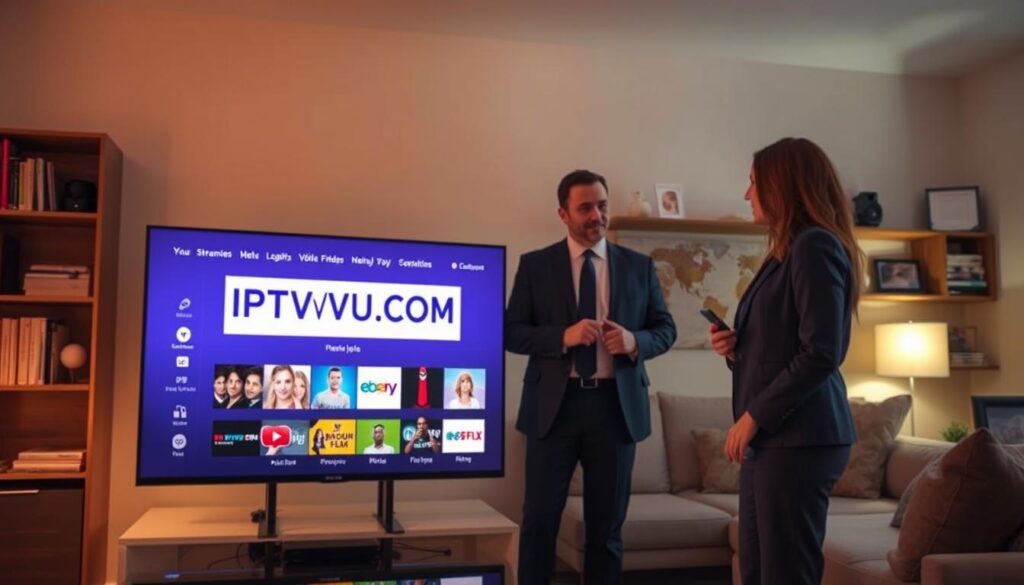
Understanding these laws is essential for both IPTV providers and consumers. Ensuring compliance with copyright laws and obtaining necessary licenses is key to operating or using IPTV services legally in the UK.
Identifying Legal vs. Illegal IPTV Services
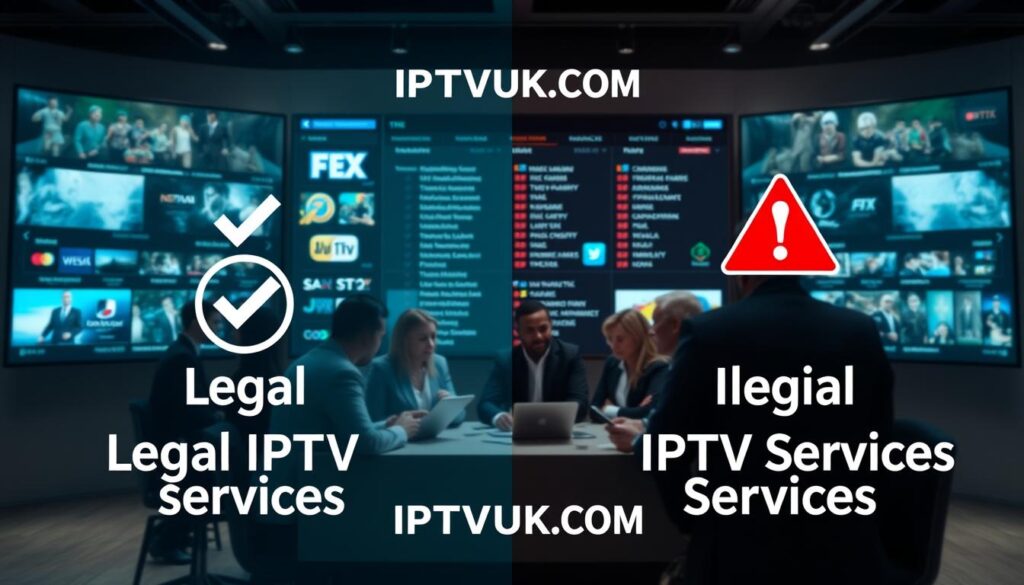
When exploring IPTV services, it’s crucial to distinguish between legal and illegal providers to ensure a safe viewing experience. The distinction between lawful and unlawful IPTV services can significantly impact your viewing quality, security, and legal standing.
Characteristics of Legal IPTV Providers
Legal IPTV providers offer several key benefits that enhance your viewing experience. These include:
- Reliable streaming quality and consistent service
- Transparent pricing models and subscription plans
- Robust customer support and service guarantees
- Compliance with copyright laws and content licensing agreements
Legal IPTV services prioritize quality and security, ensuring that your device and personal data are protected. They also provide clear terms of service and privacy policies, giving you peace of mind while enjoying your favorite channels and content.
Red Flags of Illegal IPTV Services
Illegal IPTV services often exhibit certain red flags that can help you identify them. Be cautious of services that:
- Offer unrealistically vast content libraries at suspiciously low prices
- Request payment through cryptocurrencies or other untraceable methods
- Require sideloading or installation from third-party repositories
- Lack proper customer support and have minimal accountability
| Feature | Legal IPTV Services | Illegal IPTV Services |
|---|---|---|
| Pricing | Competitive and transparent | Suspiciously low, often £5-15/month |
| Content Library | Varied, with licensed content | Unrealistically vast, with unlicensed content |
| Payment Methods | Standard credit/debit cards | Cryptocurrencies, gift cards |
| Customer Support | Robust, responsive support | Limited, slow response times |
By being aware of these differences, you can make informed decisions about your IPTV subscription and avoid potential risks associated with illegal services.
Risks of Using Illegal IPTV Services
The risks associated with illegal IPTV services extend beyond the users themselves, impacting content creators and the broader industry. By using these services, consumers inadvertently contribute to criminal organisations engaged in copyright infringement and piracy.
Legal Consequences for Users
Users of illegal IPTV services may face legal consequences, as they are participating in copyright infringement. This can result in fines or other penalties.
Security and Privacy Concerns
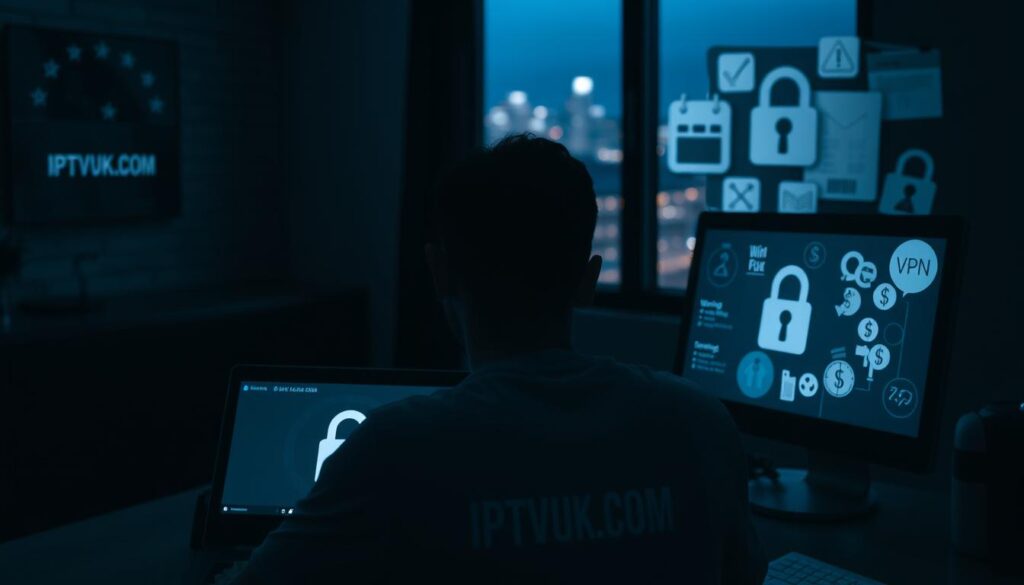
Illegal IPTV services often lack the security measures that legitimate providers have in place, putting users’ personal data at risk. Moreover, these services may expose users to malware and other cyber threats.
Impact on Content Creators and the Industry
The financial losses incurred by the industry due to illegal IPTV services are substantial, with the UK Film Council estimating losses of over £400 million annually. This not only affects content creators but also impacts the overall quality and diversity of content available on legitimate platforms. As noted in a recent crackdown on illegal services, the impact is significant, highlighting the need for consumers to choose legal alternatives.
In conclusion, the risks associated with illegal IPTV services are multifaceted, affecting not just the users but also the industry as a whole. It is crucial for consumers to be aware of these risks and to opt for legitimate providers to ensure a safe and legal viewing experience.
Recommended Legal IPTV Services in the UK
With the rise of streaming, several legal IPTV services have emerged in the UK, offering diverse content and viewing experiences. These services cater to various preferences, from live sports and news to on-demand movies and TV shows.
Subscription-Based Services
For users willing to pay for premium content, subscription-based IPTV services offer a wide range of channels and on-demand content. Hulu + Live TV is a notable example, providing access to over 90 channels, including sports, news, and entertainment, along with a comprehensive DVR service.
Hulu + Live TV starts at $77/month, offering a robust streaming experience with Hulu Originals and live TV channels. You can explore more about legal IPTV service providers in this detailed review.
Free Legal Alternatives
For those on a budget, several free legal IPTV alternatives are available. Services like BBC iPlayer, ITV Hub, and All 4 offer a wealth of content, including live channels and on-demand TV shows, supported by advertisements.
- BBC iPlayer: Offers live BBC channels and on-demand content, requiring a valid TV licence.
- ITV Hub: Provides free streaming of ITV channels with catch-up services, supported by ads or available ad-free with a premium subscription.
- All 4: Offers live streaming of Channel 4 and other channels in their network, plus an extensive on-demand catalogue with ads.
- My5: Provides free access to live channels and on-demand content from Channel 5, supported by advertising.
- UKTV Play: Offers free streaming of channels like Dave, Yesterday, and Drama, with live and catch-up options.
- Samsung TV Plus: Comes pre-installed on Samsung smart TVs, offering over 80 free streaming channels.
- Pluto TV: Offers over 100 free streaming channels across various categories, available on most streaming devices.
For more information on the best IPTV services in the UK, you can visit IPTVNo or IPTVVUK for a comprehensive list of IPTV suppliers.
Conclusion: Enjoying IPTV Safely and Legally
As we conclude our exploration of IPTV in the UK, it’s clear that making informed choices is crucial. The key to enjoying IPTV safely and legally lies in understanding the technology and the legal framework surrounding it.
When selecting an IPTV service, it’s vital to choose legitimate providers that operate transparently and offer reasonable pricing. Services like those listed on IPTV UK can guide you to legal IPTV options. Be wary of services that promise thousands of free channels, as they may compromise your security and privacy.
The UK offers a range of legal IPTV services, from subscription-based to free, ad-supported options. By choosing legal services, you’re not only protecting yourself but also supporting the creative industries. For more information on the legal aspects, you can refer to studies like the one on copyright laws and content licensing. Additionally, understanding the broader implications of illegal IPTV services can be found in discussions on blocking access to foreign pirate sites.
In conclusion, legal IPTV services provide a safe, reliable, and high-quality viewing experience. By making informed choices, you can enjoy your favorite content without legal or safety concerns.