
The global Internet Protocol Television (IPTV) market size was estimated at USD 68.84 billion in 2023 and is projected to reach USD 200.22 billion by 2030, growing at a CAGR of 16.8% from 2024 to 2030. This significant growth indicates a revolutionary shift in how we consume television content.
IPTV represents a new approach to television viewing, delivering content via internet protocol rather than traditional broadcast methods. This technology is transforming the entertainment landscape by offering viewers unprecedented control over what, when, and where they watch their favourite programmes. You can explore various IPTV tools to enhance your viewing experience.
As we delve into the world of IPTV, you’ll discover why it has become one of the fastest-growing segments in digital entertainment. This comprehensive guide will walk you through everything from basic concepts to advanced setup techniques.
Key Takeaways
- IPTV delivers content via internet protocol, offering a new approach to television viewing.
- The global IPTV market is projected to reach USD 200.22 billion by 2030.
- IPTV provides viewers with unprecedented control over their viewing experience.
- Our guide will walk you through basic concepts to advanced setup techniques.
- You can explore various IPTV tools to enhance your viewing experience.
Understanding IPTV: A Modern Television Revolution
IPTV represents a significant shift in how we consume television, offering a modern alternative to traditional broadcasting methods. This technology is revolutionizing the way we watch television by delivering content over the internet.
What is IPTV TV?
IPTV, or Internet Protocol Television, is a service that provides television programming through the internet, rather than traditional satellite or cable formats. This allows for a more personalized and flexible viewing experience, as content is streamed directly to your device.
With IPTV, you can access a wide range of channels and on-demand content, all through a stable internet connection. The service relies on a strong and reliable internet connection to ensure smooth and uninterrupted viewing.
How IPTV Works: The Technology Behind Internet Protocol Television
The technical foundation of IPTV relies on a client-server model where content is stored on provider servers and delivered to viewers only when requested. When you select a programme, your request travels through your internet connection to the service provider’s network, which then streams the requested content back to your device.
- The video content is broken down into data packets that travel through the internet protocol, then reassembled by your receiving device to create a seamless viewing experience.
- Unlike traditional broadcasting that continuously transmits all channels simultaneously, IPTV conserves bandwidth by sending only the specific content you’ve requested.
- This technology requires sophisticated content delivery networks maintained by IPTV providers to ensure smooth transmission even during peak viewing times.
IPTV vs. Traditional Television: Key Differences
The way we consume television is undergoing a significant transformation with IPTV emerging as a strong alternative to traditional TV. This shift is driven by the inherent advantages of IPTV services, including greater flexibility and improved viewing experiences.
Cable and Satellite vs. Internet Protocol Delivery
One of the primary distinctions between IPTV and traditional television lies in their delivery mechanisms. Traditional TV relies on cable and satellite broadcasts, whereas IPTV uses internet protocol to stream content directly to your devices. This fundamental difference enables IPTV to offer on-demand content and allows viewers to watch content across multiple devices, enhancing the overall viewing experience.
Flexibility and Control Advantages
IPTV services grant viewers unprecedented control over their viewing experience. With features like pausing live TV, rewinding to catch missed moments, and accessing previously aired programmes through catch-up services, IPTV offers a more personalized experience. You can start watching a programme on your television and continue it on your mobile phone when you’re on the move, providing flexibility that traditional broadcast methods cannot match. Moreover, IPTV supports higher-quality viewing options, including HD, 4K, and even 8K resolution where available, often delivering superior picture quality compared to compressed cable or satellite signals.
Key benefits of IPTV include:
- Enhanced control over the viewing experience with features like pause, rewind, and catch-up services.
- The ability to watch content across multiple devices, ensuring continuity and flexibility.
- Access to higher-quality viewing options, including HD, 4K, and 8K resolutions.
- Improved content discovery through interactive programme guides and search functionality.
- Personalisation features that recommend content based on viewing habits, creating a tailored entertainment experience.
By offering more options and a more personalized experience, IPTV is redefining how we watch television, making it a compelling alternative to traditional TV for many viewers.
Types of IPTV Services You Can Access
IPTV technology allows for a variety of services, including live streaming and on-demand content. This flexibility is one of the key advantages of IPTV over traditional television services.
Live IPTV Streaming
Live IPTV streaming provides real-time access to television channels and events as they happen. This service is particularly useful for watching live sports, news, and other events that require immediate viewing. With live IPTV streaming, you can enjoy your favourite channels without the need for a traditional TV subscription.
Video on Demand (VOD) Services
Video on Demand services allow you to watch content at your convenience. VOD services provide a vast library of movies, TV shows, and other content that you can access at any time. This is ideal for viewers who prefer to watch content on their own schedule rather than adhering to a broadcast schedule.
Time-Shifted Media and Catch-Up TV
Time-shifted media and catch-up TV services bridge the gap between live broadcasting and on-demand viewing. These services allow you to access recently aired programmes for a limited time after their original broadcast. For instance, platforms like BBC iPlayer enable you to replay recently broadcast shows. “Catch-up TV is a game-changer for viewers who miss their favourite shows,” as it allows them to watch content they missed without needing to record it.
Some key features of time-shifted media and catch-up TV include:
- Access to recently aired programmes for a limited time
- Ability to browse content by date, channel, or programme name
- Automatic recording of broadcasts on the provider’s servers
- Dedicated apps for easy access to catch-up services
Many traditional broadcasters now offer their own catch-up services, recognising the importance of flexibility in modern viewing habits. This service is particularly valuable for news programmes, sporting events, and popular series where being part of the cultural conversation often requires watching content close to its original broadcast time.
The Major Benefits of IPTV TV
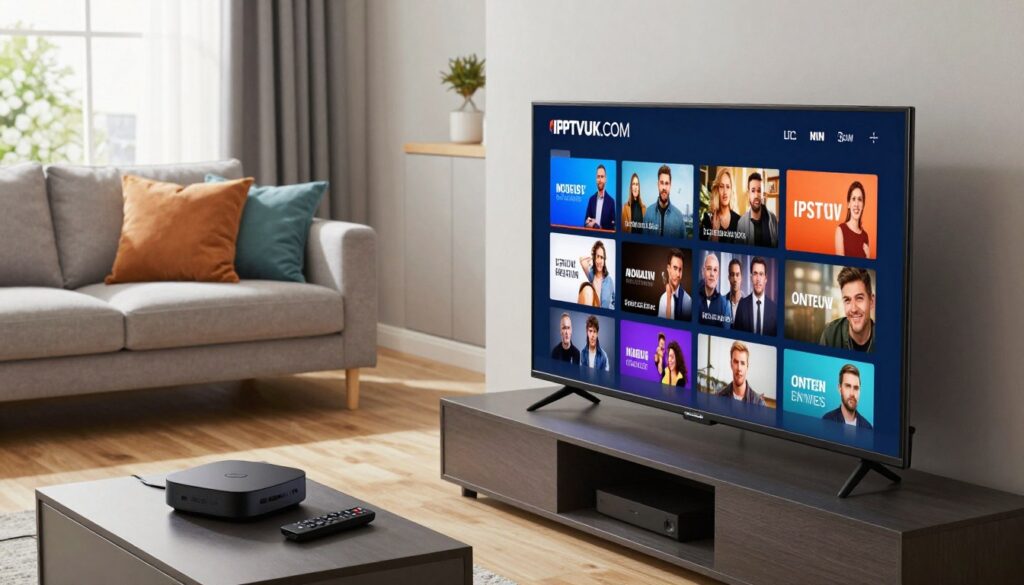
The benefits of IPTV TV are multifaceted, offering a more personalized and flexible viewing experience. IPTV services have transformed the way we consume television, providing numerous advantages over traditional cable and satellite TV.
Personalised Viewing Experience
One of the key benefits of IPTV TV is the ability to create a personalized viewing experience. With IPTV, you can choose from a variety of channel packages, selecting only the channels you watch, rather than being forced into bundled packages. This tailored approach ensures that you’re not paying for content you don’t consume.
Additionally, IPTV services often include features like recommendation engines and the ability to create personalized watchlists, further enhancing your viewing experience.
Multi-Device Compatibility
IPTV TV offers the flexibility to watch your favorite content across multiple devices. Whether you’re using a smart TV, smartphone, tablet, or streaming device, IPTV services are designed to be compatible with a wide range of platforms. This means you can enjoy your favorite shows and movies anywhere, anytime, as long as you have a stable internet connection.
- Watch on multiple devices simultaneously
- Access your content from anywhere
- Seamless integration with various devices
Cost-Effectiveness Compared to Cable
For many consumers, one of the primary motivations for switching to IPTV is the potential to save money. Traditional cable and satellite packages often come with long-term contracts, hidden fees, and bloated channel bundles. In contrast, IPTV services typically offer more flexible pricing models, with many providers allowing month-to-month subscriptions without long-term contracts or early termination fees.
The cost-effectiveness of IPTV is further enhanced by the ability to select smaller, more targeted channel packages, eliminating the need to pay for dozens of channels you never watch. Additionally, many IPTV providers eliminate equipment rental fees by using apps on devices you already own, removing the monthly charges for cable boxes.
How to Set Up IPTV on Different Devices
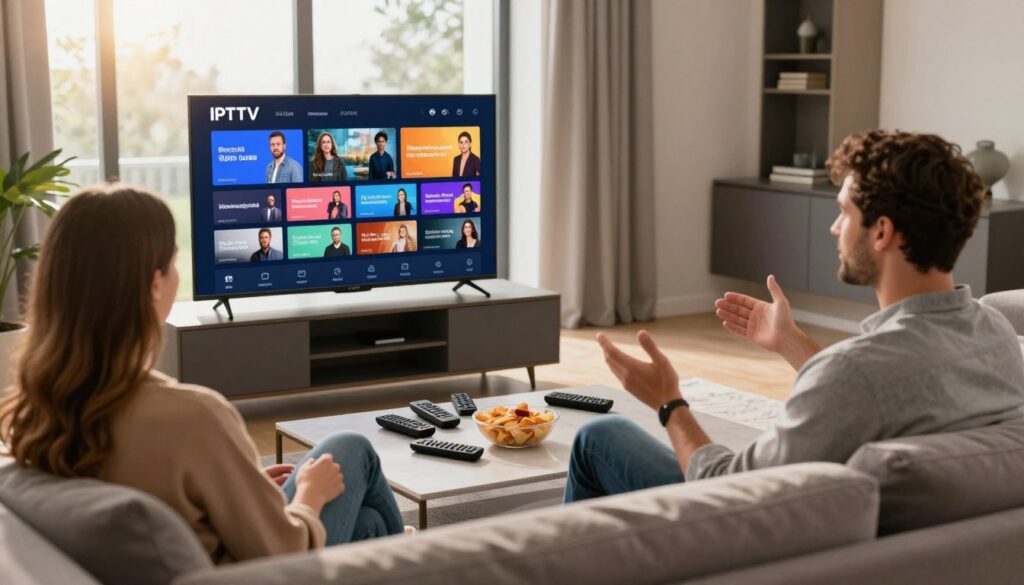
You can easily set up IPTV on various devices, making it convenient to access your content anywhere. This flexibility is one of the key benefits of using IPTV via internet services, allowing you to watch your favourite shows and movies on the device of your choice.
Smart TV Setup Guide
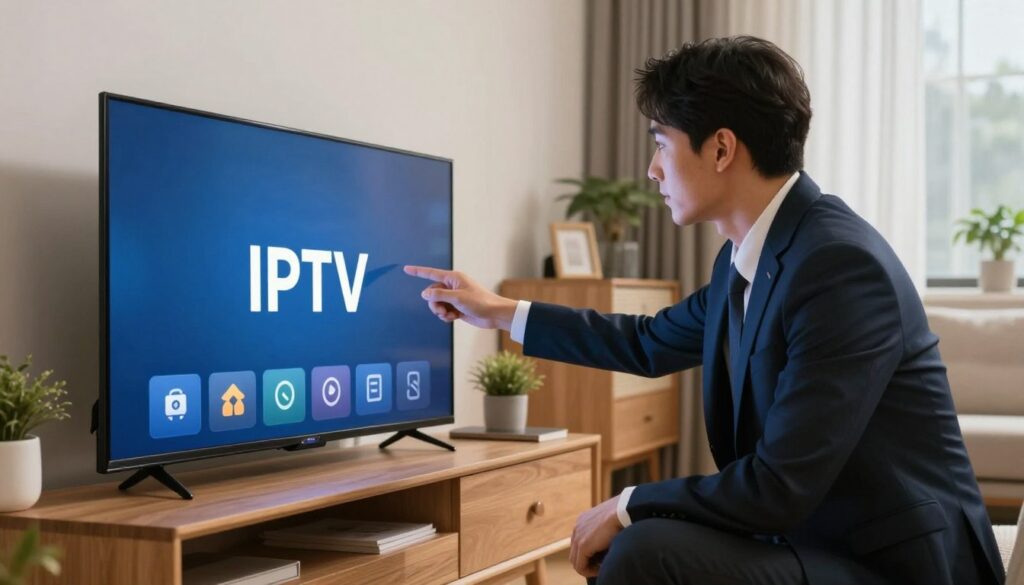
Setting up IPTV on a Smart TV is relatively straightforward. First, ensure your TV is connected to the internet. Then, navigate to your TV’s app store, download the IPTV app provided by your service providers, and follow the on-screen instructions to log in or create an account.
Setting Up IPTV on Streaming Devices (Fire Stick, Roku, Apple TV)
For users with streaming devices like Amazon Fire Stick, Roku, or Apple TV, setting up IPTV is a simple process. Start by searching for your IPTV service’s app in the device’s app store. Once installed, open the app, and sign in with your credentials. If the app isn’t available, you can still access IPTV content through the device’s web browser by visiting your IPTV provider’s website.
Mobile and Computer IPTV Installation
Installing IPTV on mobile devices and computers is also straightforward. For mobile devices, download the IPTV app from the Apple App Store or Google Play Store, depending on your device. After installation, log in with your account details to start streaming. For computers, many providers offer dedicated desktop applications. If not, you can access IPTV through your web browser by logging into your account on the provider’s website. For a more customised experience, tech-savvy users can configure media centre applications like Kodi with IPTV add-ons.
For more detailed guides on setting up IPTV on various devices, you can visit this practical guide or check out IPTV tutorials for additional assistance.
Popular IPTV Players and Apps
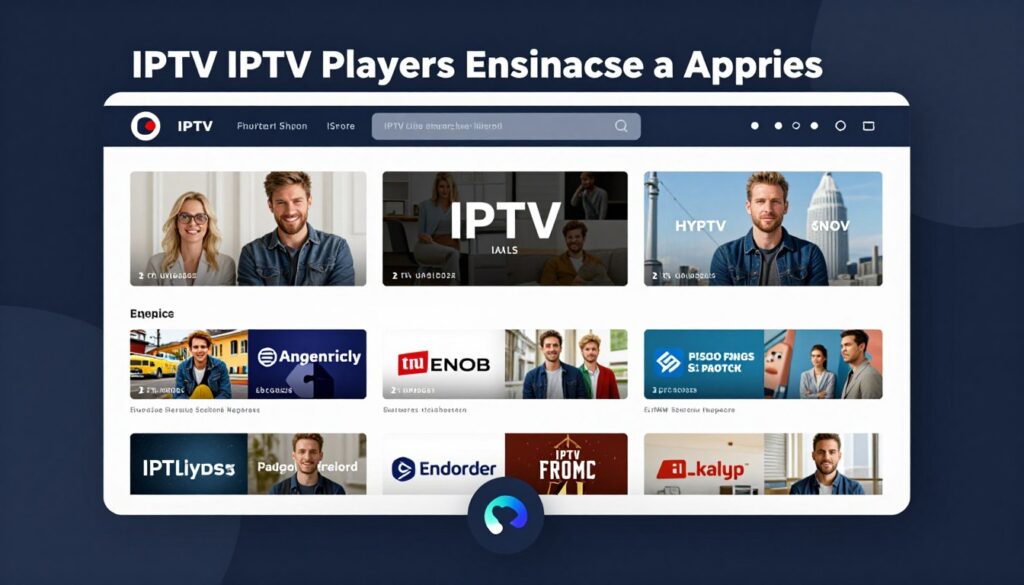
With the rise of IPTV, users now have access to a multitude of players and applications designed to enhance their viewing experience. These platforms offer a range of features that cater to different user preferences, from simple, intuitive interfaces to more complex, customizable options.
IPTV Smarters Pro and Similar Applications
IPTV Smarters Pro is a highly-regarded application that offers a robust and user-friendly IPTV experience. It allows users to stream live TV, catch-up TV, and on-demand content with ease. For those looking for alternatives, other apps offer similar functionality, often with unique features that may better suit individual preferences. You can explore these options by visiting the Google Play Store to download IPTV players that suit your device.
Kodi and Other Media Centers for IPTV
Kodi stands out as a powerful, open-source media centre that can be customised with add-ons to support IPTV streaming alongside local media playback and other content sources. The platform’s flexibility allows users to create a comprehensive entertainment hub that integrates IPTV channels with personal media libraries, streaming services, and other content within a single interface. For more detailed guides on setting up IPTV players, you can visit IPTV VUK’s ultimate guide, which provides comprehensive information on features, setup, and top recommendations.
Troubleshooting Common IPTV Issues
IPTV users often encounter issues that can disrupt their viewing experience, but most problems have straightforward solutions. Understanding how to address these common issues can significantly enhance your streaming experience.
Fixing Buffering and Streaming Problems
Buffering and streaming problems are often related to your internet connection and bandwidth. To resolve these issues, ensure your internet speed is sufficient for streaming. You can check your connection speed and consider upgrading your plan if necessary. Additionally, reducing the number of devices connected to your network can help allocate more bandwidth to your IPTV service.

Channel Loading and Playback Issues
If you’re experiencing channel loading or playback issues, try restarting your IPTV app or checking for any available updates. Sometimes, the issue might be with the device you’re using; try using a different device to see if the problem persists. Ensuring your IPTV service is configured correctly on your device is also crucial.
App Crashes and Performance Optimisation
IPTV apps can sometimes misbehave, especially after updates or if your device is low on memory. To resolve this, try clearing the app’s cache, restarting your device, or uninstalling and reinstalling the app. Keeping your IPTV app updated is also essential, as developers release patches to address performance issues and compatibility problems. For persistent crashes, consider closing background applications and ensuring your device has sufficient free storage space.
By following these troubleshooting steps, you can resolve common IPTV issues and enjoy a smoother streaming experience. Regular maintenance of your IPTV app and device can prevent many of these problems from occurring in the first place.
Legal Considerations and Safety When Using IPTV
As you explore the world of IPTV, it’s essential to consider the legal implications and safety measures to ensure a secure viewing experience. IPTV services operate via the internet, delivering content through your network, and it’s crucial to understand the legitimacy of the service you’re using.
Legitimate vs. Unauthorised IPTV Services
When choosing an IPTV service, it’s vital to distinguish between legitimate and unauthorised providers. Legitimate services have the necessary rights and permissions to distribute content, ensuring compliance with copyright laws. You can check if an IPTV service is legitimate by researching their background and reading reviews from other users. For instance, checking if the service is listed on reputable directories or has a professional website can be a good start. Unauthorised services, on the other hand, may offer content without proper licensing, putting users at risk of legal repercussions. To stay safe, avoid services that seem too good to be true or have poor customer feedback.
Using VPNs for Enhanced Security and Privacy
Using a Virtual Private Network (VPN) can significantly enhance your security and privacy when accessing IPTV services. A VPN encrypts your internet traffic, protecting your viewing habits from your internet service provider and potential eavesdroppers. When selecting a VPN for IPTV, prioritise services with high-speed servers, unlimited bandwidth, and strong privacy policies. For more information on choosing the right IPTV service, you can visit https://www.netjoi.ca/blog/is-iptv-legal-in-canada/ or check out https://www.iptvvuk.com/best-iptv-uk/ for recommendations on the best IPTV services.
| Benefits of Using a VPN with IPTV | Description |
|---|---|
| Enhanced Security | Encrypts your internet traffic, protecting your data from eavesdroppers |
| Bypass Geographic Restrictions | Allows access to region-specific content and home IPTV subscriptions while abroad |
| Prevent Bandwidth Throttling | Masks your internet activity, preventing ISPs from throttling your streaming traffic |
The Future of IPTV: Trends and Developments
The evolution of IPTV is transforming the media landscape. As internet speeds increase and content creation tools become more accessible, we’re entering an era where individuals and small businesses can launch their own specialized IPTV channels.
The future of IPTV points toward greater personalisation, with AI-driven content recommendations. We’re seeing a shift toward integration of traditional TV and streaming services, with major broadcasters launching their own IPTV platforms. Technological advancements will enhance the viewing experience, with 4K and 8K resolution becoming more widespread.
The democratisation of content creation tools is enabling niche IPTV services to emerge. As global internet infrastructure improves, IPTV will become increasingly accessible. You can explore more about the future trends and insights on IPTV technology on Infomir Store. The subscription model will evolve, offering more flexible content options.