
Welcome to our comprehensive guide to navigating the world of IPTV services. As a consumer, you’re likely looking for a reliable and flexible streaming solution that offers a wide range of channels and on-demand content. With the rise of IPTV, traditional cable options are being replaced by internet-based streaming services that provide cost benefits and content flexibility.
We’ll explore the key differences between premium IPTV services and traditional cable options, helping you make an informed decision when purchasing an IPTV account. Our guide covers everything from understanding basic IPTV technology to advanced features that enhance your viewing experience.
Key Takeaways
- Understand the benefits and limitations of IPTV services compared to traditional cable options.
- Learn how to evaluate channel lineups and assess streaming quality.
- Discover how to choose a reputable IPTV provider with reliable service.
- Find out how to use a VPN to enhance your IPTV streaming experience.
- Understand the importance of content flexibility and how IPTV services can cater to your specific entertainment preferences.
Understanding IPTV: The Modern Alternative to Cable
As we move away from traditional cable, IPTV emerges as a flexible alternative, offering a range of viewing options. IPTV, or Internet Protocol Television, allows users to stream television content over the internet, providing a more personalized viewing experience.
What is IPTV and How Does It Work?
IPTV delivers television content through internet protocols, unlike traditional cable which relies on broadcast signals. This method allows for greater flexibility and more content options. IPTV services can be accessed through various devices, including smart TVs, computers, and mobile devices, making it a versatile choice for modern viewers.
Different Types of IPTV Services
There are several types of IPTV services catering to different viewing preferences. These include:
- Live TV: Offers real-time broadcasts, ideal for sports and news.
- Video-on-Demand (VOD): Provides access to a vast library of content that can be watched at any time.
- Time-shifted TV: Allows viewers to watch programmes after their initial broadcast.
- Near-video-on-demand: Schedules popular content at regular intervals.
- Hybrid IPTV services: Combine multiple formats, offering both live channels and on-demand content.
When choosing an IPTV service, it’s crucial to consider which type aligns best with your viewing habits and content preferences.
Benefits of IPTV Accounts Over Traditional Cable
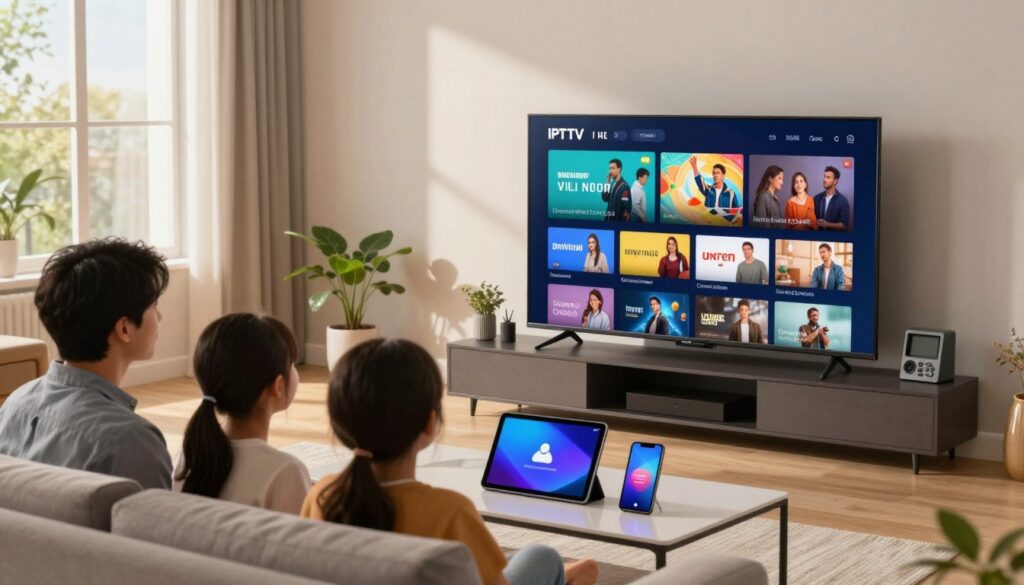
With IPTV, you can enjoy a significantly more flexible and accessible entertainment solution compared to traditional cable. IPTV services have revolutionised the way we consume television, offering numerous advantages that make them an attractive alternative to conventional cable television.
Cost Comparison and Savings
One of the primary benefits of IPTV is the potential for cost savings. IPTV services often offer more flexible pricing models than traditional cable providers, allowing you to pay only for the content you want to watch. This can lead to significant savings, especially for those who don’t watch a wide range of channels.
- No need for expensive hardware upgrades or maintenance
- Customisable subscription plans to suit your viewing habits
- No long-term contracts, giving you more flexibility
Content Flexibility and Accessibility
IPTV services provide unprecedented content flexibility, allowing viewers to access thousands of domestic and international channels. You can watch your favourite content on a range of devices, including smartphones, tablets, smart TVs, and streaming devices.
- Access to on-demand content libraries alongside live channels
- Catch-up and recording features to ensure you never miss important programmes
- International content available, perfect for expatriates or language learners
- Portable IPTV subscriptions that you can take with you when travelling
Essential Features to Look for in an IPTV Account
To get the most out of your IPTV subscription, you need to choose a service that meets your specific needs. With numerous providers available, understanding the key features can make all the difference in your streaming experience.
Channel Selection and Content Libraries
A comprehensive channel selection is crucial. Look for IPTV services that offer a wide range of channels, including popular sports, entertainment, and news networks. The content library should be diverse, catering to different tastes and preferences. Some services also offer on-demand content, allowing you to watch your favourite shows and movies at any time.
Stream Quality and Reliability
Stream quality is vital for an enjoyable viewing experience. Opt for IPTV services that provide high-definition (HD) or 4K streaming. A reliable service should have a stable connection, minimizing buffering and ensuring consistent playback. Check if the provider has a good reputation for streaming quality and reliability.
Multi-Device Support and Compatibility
In today’s multi-device households, compatibility across various devices is essential. The best IPTV accounts offer simultaneous multi-device support, allowing you to stream on several devices concurrently with a single subscription. Ensure the service has native apps for different platforms, including smart TVs, streaming devices like Amazon Fire Stick, and mobile devices. You can find many IPTV apps directly through the Amazon Appstore or sideload them onto your device if needed. For more information on IPTV apps and their compatibility, visit our guide on IPTV apps and legal considerations.
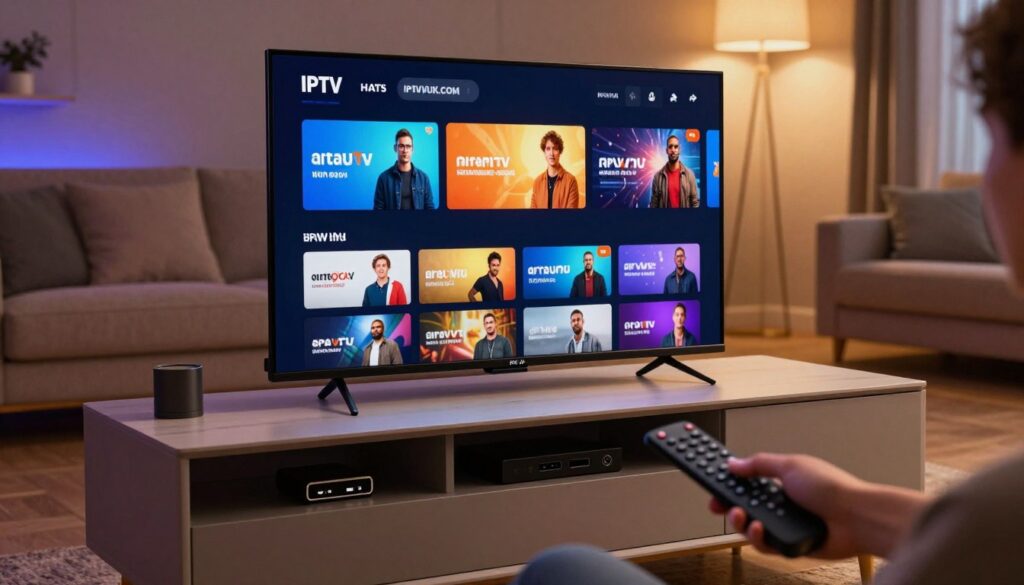
When choosing an IPTV service, consider the level of support and compatibility with your existing devices. Look for services that offer straightforward installation and configuration, as well as cross-platform synchronisation for a seamless viewing experience across different devices.
Top IPTV Providers in 2023
With the increasing popularity of IPTV, identifying the best providers in 2023 is crucial for consumers. The market offers a range of services, from premium to budget-friendly options, catering to diverse viewer preferences.
Premium IPTV Services
Premium IPTV services offer high-quality streaming with extensive channel selections, including sports, entertainment, and international content. These services typically provide quality streams with minimal buffering, ensuring a seamless viewing experience.
Some of the top premium IPTV providers include services that offer a wide range of channels, including premium sports and entertainment options. These providers often have robust customer support and offer multi-device support, allowing users to watch their favourite content on various devices.
For those seeking a premium IPTV experience, it’s essential to explore the best IPTV services available. These services stand out for their reliability, content variety, and overall service quality.
Budget-Friendly IPTV Options
Budget-friendly IPTV options are becoming increasingly popular due to their affordability and value for money. These services typically offer subscriptions starting from £5-10 monthly, making them significantly more affordable than both premium IPTV services and traditional cable packages.
- Impressive channel counts (3,000-8,000 channels) despite lower price points
- Specialised packages for sports enthusiasts, international viewers, or film buffs
- HD streaming for popular channels and events
- Free trial periods to test service quality and channel selection
- Some services operate on a credit-based system, letting users pay only for what they watch
When choosing a budget-friendly IPTV provider, it’s crucial to consider factors such as streaming quality, available channels, and customer support. While these services may have limitations compared to premium options, they offer a cost-effective alternative for viewers seeking quality IPTV service.
IPTV Account Pricing: What to Expect
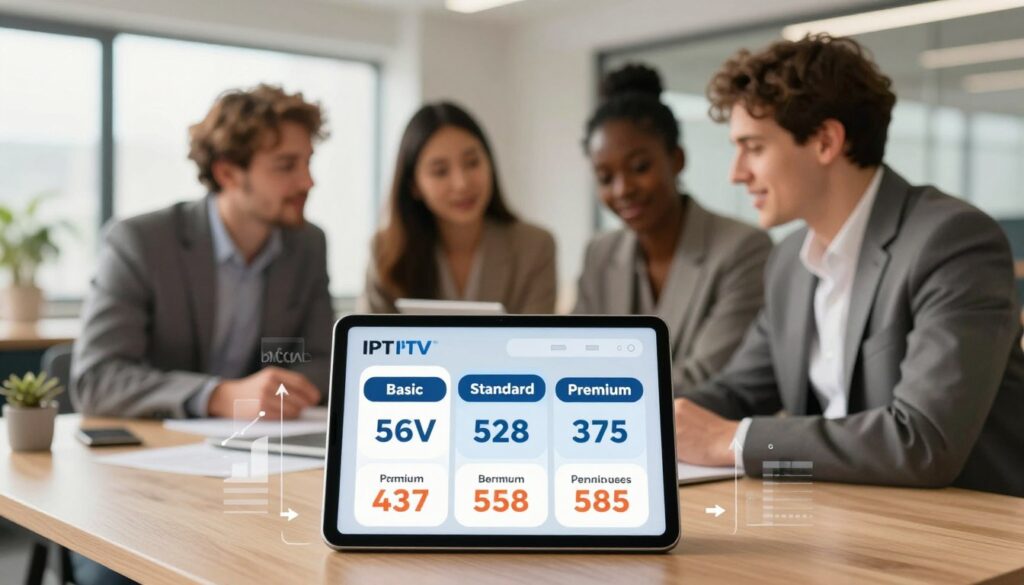
Navigating IPTV pricing requires a careful examination of both the base subscription fee and additional costs. Understanding these elements helps you make an informed decision that aligns with your viewing needs and budget.
Monthly vs Annual Subscription Models
IPTV providers typically offer both monthly and annual subscription models. Monthly subscriptions provide flexibility, allowing you to change or cancel your plan as needed. In contrast, annual subscriptions often come with discounts, potentially saving you money if you commit to a full year of service. When choosing between these models, consider your viewing habits and how likely you are to continue with the service.
For instance, if you’re trying out a new IPTV service, a monthly subscription might be the better choice. However, if you’re satisfied with your current provider and plan to continue, an annual subscription could offer significant savings.
| Subscription Model | Flexibility | Cost Savings |
|---|---|---|
| Monthly | High | Low |
| Annual | Low | High |
Hidden Costs and Add-ons to Consider
Beyond the base subscription fee, several additional costs can impact your overall expenditure on IPTV services. For example, VPN services are often necessary to ensure secure and unrestricted access to content, adding £3-10 monthly. Some providers may also charge extra for premium features like multi-screen viewing or expanded device compatibility.
- Hardware upgrades for older devices to support HD streaming
- Premium channel packages for sports or international content
- Priority or premium technical support
- Storage fees for cloud DVR or recording features beyond certain thresholds
Being aware of these potential add-ons can help you better understand the total cost of your IPTV service and avoid unexpected expenses.
Setting Up Your IPTV Account
Setting up your IPTV account is easier than you think, and we’re here to guide you through it. The process involves a few straightforward steps that will have you streaming your favourite channels in no time.
Step-by-Step Account Activation Guide
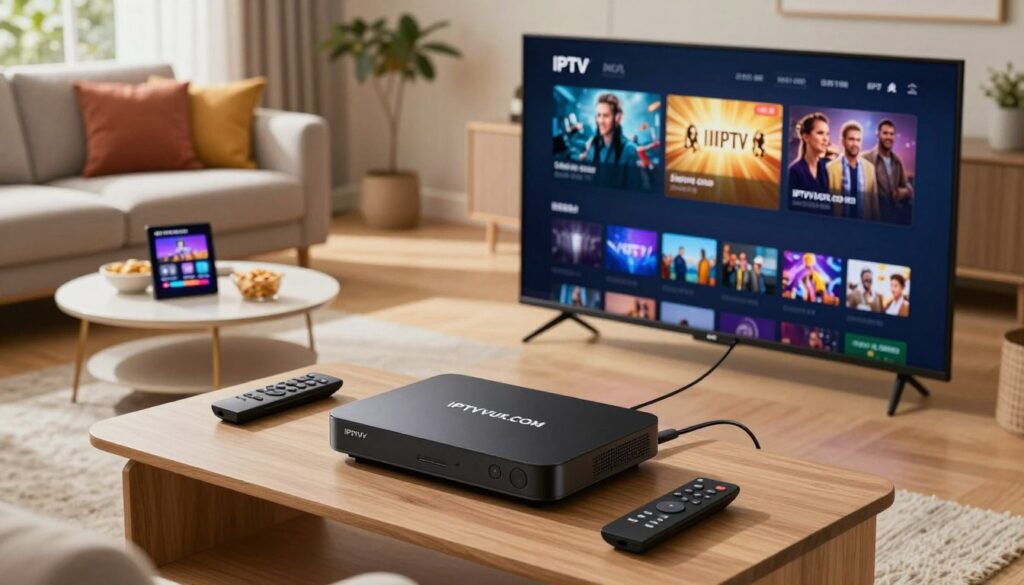
To activate your IPTV account, start by ensuring your device is connected to a stable internet connection. Then, download and install the IPTV app compatible with your provider. Most IPTV services have apps available for various devices, including smart TVs, smartphones, and streaming boxes.
Once the app is installed, open it and navigate to the login or activation section. Here, you’ll be required to enter your subscription details, which typically include a username and password provided by your IPTV service provider. If you’re using a service that requires an activation code, this will usually be displayed on your device or provided via email.
- Gather your account credentials before starting the activation process.
- Ensure your device is connected to the internet.
- Download and install the IPTV app on your device.
- Enter your subscription details to complete the activation.
Transferring Your IPTV Subscription to a New Device
Transferring your IPTV subscription to a new device is a relatively simple process, thanks to the flexibility of modern IPTV services. First, ensure your new device is ready by installing the IPTV app and connecting it to a stable internet connection.
Next, locate your IPTV account details on your current device. This may include your username, password, and any specific server URLs. Some IPTV providers also offer a QR code for quick setup or an M3U/JSON playlist URL for easy configuration.
| Step | Description |
|---|---|
| 1 | Install the IPTV app on your new device. |
| 2 | Locate your IPTV account credentials. |
| 3 | Enter your credentials in the app on your new device. |
For more detailed instructions and troubleshooting tips, you can visit our IPTV tutorial page, which provides comprehensive guidance on managing your IPTV subscription.
Compatible Devices for Your IPTV Account
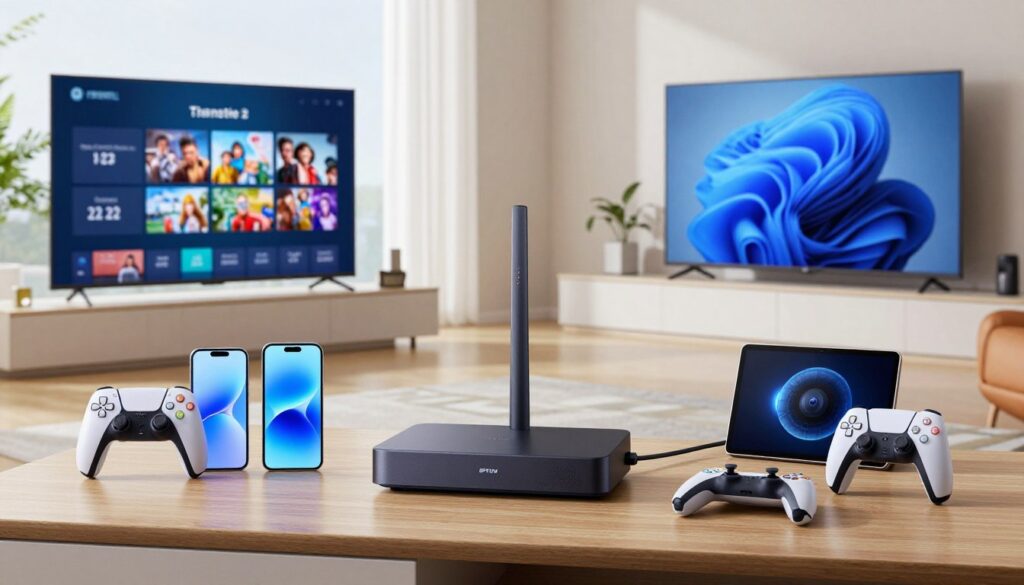
The versatility of IPTV lies in its compatibility with multiple devices, catering to different user preferences. This flexibility allows you to enjoy your favourite content across various platforms, enhancing your overall viewing experience.
Smart TVs and Streaming Devices
Smart TVs and dedicated streaming devices are among the most popular choices for IPTV. Brands like Samsung, LG, and Sony offer smart TVs with built-in IPTV apps, making it easy to access your content. For older TVs or those without smart capabilities, devices like Roku, Amazon Fire TV, and Google Chromecast can convert your TV into a smart one, providing access to a wide range of IPTV services.
Mobile Devices and Computers
IPTV services are not limited to television viewing. Many providers offer apps for mobile devices and computers, allowing you to watch your favourite channels and on-demand content on the go. Whether you’re using an Android or iOS device, you can download the respective IPTV app to enjoy seamless streaming. Additionally, you can access IPTV services through web browsers on your computer, providing a flexible viewing experience.
Gaming Consoles and Other Options
Gaming consoles such as PlayStation and Xbox can also serve as IPTV streaming devices. Although the app selection might be more limited compared to dedicated streaming platforms, many IPTV services have apps available for download on these consoles. For instance, you can access IPTV content on Xbox through certain third-party media apps. If your preferred IPTV service isn’t available on your gaming console, consider using casting or screen mirroring from your phone or tablet as an alternative. Other options include smart home devices with displays, like Echo Show or Google Nest Hub, and projectors with smart functionality or connected to streaming devices.
Using VPN with Your IPTV Account
Securing your IPTV account with a VPN is vital in today’s digital landscape to prevent data breaches. A VPN, or Virtual Private Network, encrypts your internet connection, making it difficult for third parties to intercept your data. This is particularly important for IPTV users, as it ensures that your streaming activities remain private and secure.
Why a VPN is Essential for IPTV
A VPN is crucial for IPTV users because it provides a secure and private connection. With a VPN, you can bypass geo-restrictions and access content that may not be available in your region. Moreover, a VPN helps to protect your device from potential cyber threats.
Key benefits of using a VPN with IPTV include enhanced security, improved privacy, and the ability to access geo-restricted content. When selecting a VPN for IPTV, look for services with a strong no-logs policy, high-speed servers, and robust encryption.
Top VPN Services for IPTV Users
Several VPN services stand out for their performance and features when it comes to IPTV. For instance, Surfshark offers unlimited simultaneous connections, making it ideal for households with multiple IPTV viewers. Other notable VPNs include ExpressVPN, NordVPN, CyberGhost, and Private Internet Access (PIA), each offering unique features such as high-speed servers, dedicated streaming servers, and robust security protocols.
When choosing a VPN for IPTV, consider factors such as server locations, connection speed, and compatibility with your streaming device. A VPN with a large server network and fast connection speeds will ensure a seamless IPTV experience.
Troubleshooting Common IPTV Issues
To ensure a smooth IPTV experience, it’s essential to understand how to troubleshoot common issues that may arise. IPTV services, like any other streaming technology, can be affected by various technical issues, including app malfunctions and device compatibility problems.
Buffering and Connection Problems
Buffering and connection issues are among the most common problems IPTV users face. These can be caused by a weak internet connection, server overload, or issues with your device. To resolve these issues, check your internet speed and ensure it meets the minimum requirements for IPTV streaming. You can also try restarting your router or switching to a different server.
Channel Access Issues
Channel access problems can occur due to issues with your IPTV subscription or the channel’s server. If you’re experiencing difficulties accessing certain channels, first verify that your subscription includes those channels. If the issue persists, try contacting your IPTV provider’s support team for assistance or visit their website for troubleshooting guides, such as the one found at IPTV Troubleshooting Guide.
App and Device-Specific Problems
Apps sometimes misbehave after updates or if the device is low on memory. Clearing the app’s cache, restarting your device, or uninstalling and reinstalling the app can often resolve these issues. It’s also a good idea to update the app to the latest version.
- App crashes and freezes are often resolved by clearing the cache and data.
- Outdated app versions may contain bugs; ensure your IPTV app is updated.
- Consider alternative players like TiviMate or IPTV Smarters if you experience persistent issues.
| Issue | Troubleshooting Steps |
|---|---|
| Buffering | Check internet speed, restart router |
| Channel Access | Verify subscription, contact support |
| App Issues | Clear cache, update app, restart device |
Legal and Security Considerations
As you navigate the world of IPTV, understanding the legal landscape and security measures is essential for a worry-free experience. When subscribing to an IPTV service, you must consider both the legal implications of your chosen service and the security of your personal data.
Understanding IPTV Legality
It’s crucial to choose an IPTV service that operates within legal boundaries. Legitimate IPTV services obtain necessary licenses for content distribution. Using a VPN can help protect your privacy, but it doesn’t make illegal activities legitimate. Always review the terms of service and ensure you’re complying with local laws regarding streaming and content access.
- Research the IPTV provider’s licensing and content agreements.
- Understand local laws regarding streaming and content access.
Protecting Your Privacy and Data
Protecting your privacy and data is paramount when using IPTV services. Legitimate IPTV providers require some personal data for registration. To safeguard your information:
- Use a dedicated email address for IPTV registrations.
- Consider privacy-focused payment methods like virtual credit cards.
- Review the provider’s privacy policy, focusing on data retention and third-party sharing.
- Enable two-factor authentication if available.
Using a reputable VPN service with a no-logs policy can enhance your privacy by encrypting your connection. Be cautious with IPTV apps that request excessive device permissions and monitor your subscription for unauthorized access or charges.
Conclusion: Making the Right IPTV Account Choice
To enjoy a seamless IPTV experience, you must carefully evaluate potential providers based on their content offerings, streaming quality, and customer support. When choosing an IPTV service, consider your specific needs, whether it’s sports, international channels, or on-demand libraries, and select a provider that specialises in your preferred entertainment categories.
Prioritise providers with proven track records of stability and customer support over those offering unrealistic channel counts or the lowest prices. Take advantage of free trials or short-term subscriptions to test real-world performance on your network and devices. Don’t forget that a quality VPN is essential for both enhanced privacy and potentially improved streaming performance. For more insights, visit our guide on finding the best IPTV service.