
The way we consume television has undergone significant changes over the years. Previously, popular IPTV services offered users a wide range of channels and playlists that catered to diverse viewing preferences.
These services provided access to thousands of channels across various genres, including news, sports, entertainment, and regional programming. The playlists were typically crowdsourced and maintained by community members, making them a collaborative effort.
Users could access these channels through various players and devices, using formats such as M3U and M3U8. The evolution of this technology has been shaped by key services that have contributed to its development.
Key Takeaways
- Popular IPTV services offered a wide range of channels and playlists.
- Playlists were crowdsourced and maintained by community members.
- Users accessed channels through various players and devices.
- The technology evolved through key services that shaped its development.
- Playlists catered to diverse viewing preferences across multiple genres.
Understanding IPTV and Its Evolution
The evolution of IPTV has transformed the way we consume television content. IPTV, or Internet Protocol Television, has been a significant development in the broadcasting industry, offering a more flexible and personalized viewing experience.
What Are IPTV Links?
IPTV links are essentially URLs that point to streams of television channels or other video content. These links are often compiled into playlists, such as M3U playlists, which are compatible with various IPTV players like IPTV Smarters Pro, TiviMate, VLC, and Kodi. An M3U playlist is a simple text file that contains the URLs of the streams, making it easy to manage and access multiple channels.
How IPTV Technology Worked
IPTV technology functioned by converting traditional television signals into digital packets that could be transmitted over IP networks. This allowed for more flexible content delivery compared to conventional broadcasting methods. The core of the system relied on streaming protocols that enabled continuous transmission of audio and video content from servers to end-user devices through internet connections.
| Feature | Description |
|---|---|
| Streaming Quality | Supported various qualities from standard definition to high definition |
| Content Sources | Included free-to-air broadcasts, satellite feeds, and web-based streams |
| Additional Features | Time-shifting, video-on-demand, and interactive services |
Users would access channels by loading M3U playlists into compatible IPTV players, which would then fetch the streams from the source servers specified in the playlist URLs. For more information on IPTV tools, you can visit IPTV Tools. Many IPTV services incorporated content from multiple sources, aggregating them into comprehensive channel collections. News and live events were particularly popular on IPTV platforms, as they could be streamed in real-time from sources around the world without geographical restrictions, providing users with up-to-date news.
Popular IPTV Links and Services from the Past
A look back at the history of IPTV reveals a diverse range of services that once captured the attention of cord-cutters. These services offered a mix of live channels, sports, news, and entertainment programming that appealed to various audiences.
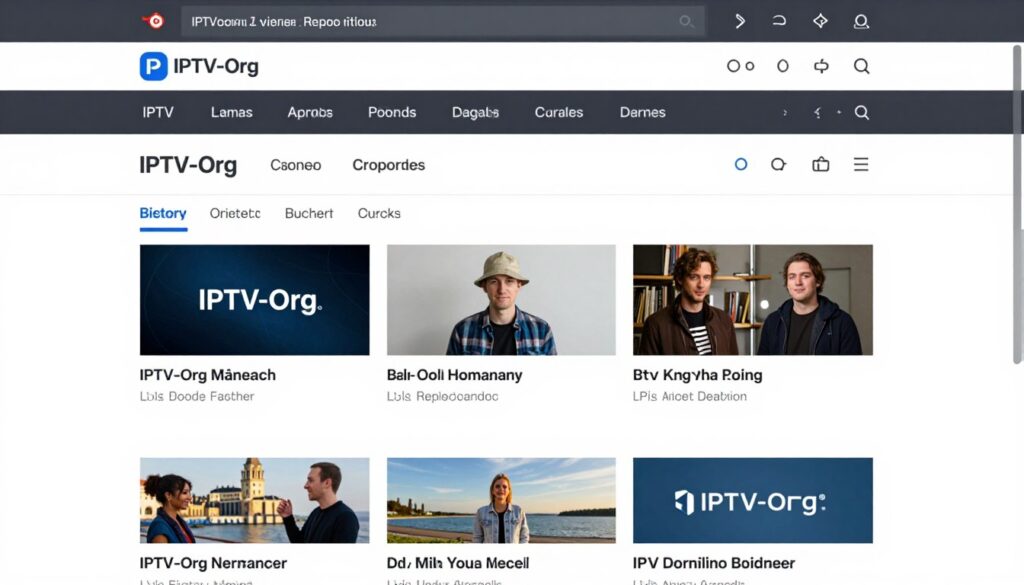
IPTV-Org: The Community-Driven Platform
IPTV-Org was a community-driven platform that garnered attention for its extensive collection of IPTV links and playlists. Maintained on GitHub, the repository was a collaborative effort, providing users with a wide range of channels and content.
Vizio TV and LG Channels
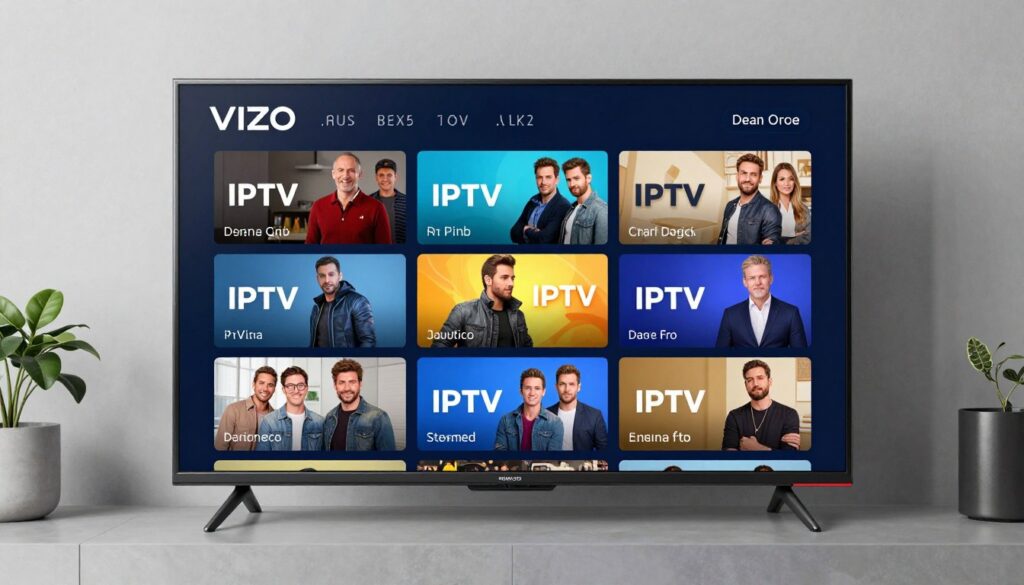
Vizio TV and LG Channels were among the popular services that offered IPTV functionality, allowing users to access live TV and on-demand content. Vizio TV’s IPTV service history shows a focus on providing users with a range of channels and streaming options.
Roku Channel and Xumo
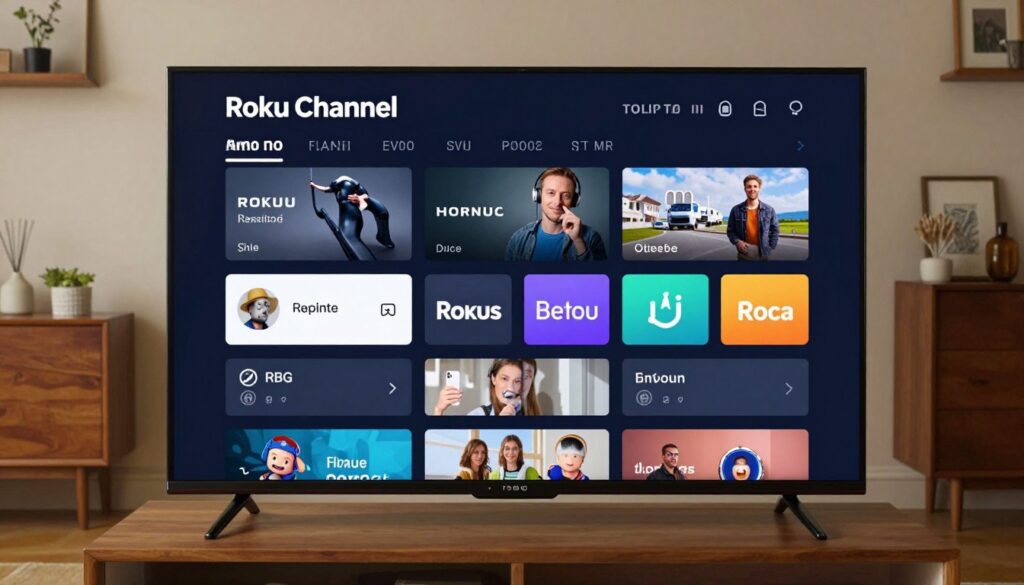
The Roku Channel and Xumo were notable players in the IPTV landscape, offering a variety of channels and on-demand content. The Roku Channel’s IPTV history is marked by its integration with various streaming services, providing users with a comprehensive entertainment solution.
Regional Services: Local Now and Tablo
Regional services like Local Now and Tablo emerged to fill the gap in local content delivery. Local Now, maintained by Apsattv, offered a playlist of live TV content, including local news, weather, and cultural programming, primarily from US states. Tablo, originally an over-the-air DVR, also had an IPTV playlist with high-quality streams, albeit with fewer than 150 channels.
These regional services were valued for their focus on hyperlocal content and the reliability of their frequently updated playlists. Users often accessed these services through applications like IPTV Smarters, integrating them with broader channel lineups.
Technical Aspects of Historical IPTV Links
Historical IPTV links utilised specific technical components, notably M3U playlists and Electronic Program Guides (EPG). These elements were crucial in shaping the user experience of IPTV services.
M3U Playlists and Their Functionality
M3U playlists were a fundamental component of IPTV services, serving as a simple text file that contained URLs pointing to various channels. You could easily import these playlists into IPTV players like TiviMate or IPTV Smarters, allowing access to multiple channels through a single file. The functionality of M3U playlists enabled users to organise their channels into a structured list, making it easier to navigate through different services. For instance, a typical M3U playlist would contain multiple channel entries, each identified by a unique identifier and linked to a specific URL.
EPG (Electronic Program Guide) Integration
The integration of EPG data with M3U playlists significantly enhanced the IPTV viewing experience. EPGs provided detailed programme information, including show titles, descriptions, start and end times, and categories. By linking channel identifiers in the M3U playlist with corresponding entries in the EPG file, users could access a cohesive viewing interface. For example, IPTV services that utilised EPG data allowed users to browse upcoming programmes, set reminders, and even record shows of interest. This level of interactivity transformed the IPTV experience, making it more akin to traditional cable or satellite TV services.
By combining M3U playlists with EPG data, IPTV services could offer a more sophisticated and user-friendly experience. This integration enabled users to search for specific programmes across multiple channels and filter content by category, thereby enhancing the overall viewing experience.
Legal and Safety Considerations of Past IPTV Services
When exploring past IPTV services, it’s crucial to consider both legal and safety aspects. The use of IPTV links and playlists has raised significant concerns regarding copyright infringement and user security.
Copyright Issues and Legal Challenges
Copyright issues were a major concern with past IPTV services, as many provided access to copyrighted content without proper authorization. Users of these services often risked legal repercussions for accessing pirated channels and content. For more information on the legal aspects of IPTV, visit this resource.
| Legal Concern | Description | Risk Level |
|---|---|---|
| Copyright Infringement | Accessing copyrighted content without permission | High |
| Unauthorized Streaming | Streaming content not licensed to the user | High |
| Playlist Sharing | Sharing playlists containing copyrighted material | Medium |
Security Concerns with Public IPTV Links
Security was another significant concern, as public IPTV links could expose users to malware and data collection risks. Using a VPN was often recommended to mask IP addresses and secure connections. For tips on securing your IPTV streaming, check out this guide. Users should also be cautious when accessing M3U URLs from untrusted sources.

To mitigate these risks, users turned to trusted sources like IPTV VUK for well-organized and secure IPTV playlists. Ensuring a safe viewing experience required balancing the desire for free streaming with the need for robust security measures.
Conclusion
As we reflect on the evolution of IPTV, it’s clear that technology has revolutionised access to global content across different regions. Our exploration of historical IPTV services highlights the diversity of options available, from community-driven platforms like IPTV-Org to corporate offerings from major brands.
These services transformed how people accessed television content, moving away from traditional broadcasting models toward more flexible, user-controlled experiences through simple playlist files and apps. The technical foundations established by these early services continue to influence how streaming content is organised and delivered today, with the M3U format and EPG integration being key examples.
- The legacy of these IPTV playlists extends beyond 2025, influencing how streaming services present their content libraries.
- Content discovery was revolutionised, making it possible to access channels across national boundaries and language barriers.
- For more information on current IPTV services, you can visit The Ultimate Guide to IPTV M3U or explore reviews on Best IPTV Providers in 2025.
The history of IPTV links and services demonstrates how user-driven innovation often precedes corporate adoption, contributing to the rich and diverse streaming landscape we enjoy today.