
IPTV, or Internet Protocol Television, represents a significant shift in how we consume television content, moving away from traditional broadcast methods to internet-based delivery systems. Unlike conventional TV, IPTV empowers viewers with unprecedented control over what, when, and where they watch their favourite programmes.
With IPTV, users can stream different types of media content, such as live TV channels, movies, and videos, as long as they have an active internet connection. This technology transforms television from a passive experience into an interactive one, allowing for personalisation and on-demand access. For more information on IPTV tools and services, you can visit https://www.iptvvuk.com/iptv-tools/.
Key Takeaways
- IPTV delivers television content over an Internet Protocol network.
- It offers both live and on-demand content, enhancing viewer flexibility.
- IPTV requires an active internet connection to function.
- The technology allows for personalisation and interactive viewing experiences.
- IPTV differs fundamentally from traditional cable and satellite television.
What is an IPTV: The Basics of Internet Protocol Television
IPTV, or Internet Protocol Television, represents a modern approach to delivering television content via internet protocols. This method allows for a more personalized and flexible viewing experience.
Definition and Core Concept
At its core, IPTV is a system where television services are delivered through the internet protocol suite over a packet-switched network, such as a LAN or the internet. This contrasts with traditional methods of broadcast TV, such as terrestrial, satellite, or cable formats.
How IPTV Differs from Traditional Broadcasting
Unlike traditional broadcasting, IPTV offers on-demand content and the ability to stream media across multiple devices. This flexibility is a significant draw for modern viewers who are looking for more than just a linear viewing experience.
The Growing Popularity of IPTV Services
The global IPTV market is experiencing rapid growth, with projections indicating an increase from USD 68.84 billion in 2023 to USD 200.22 billion by 2030. This growth is driven by consumer demand for flexibility and extensive content libraries. Major streaming platforms are investing heavily in IPTV infrastructure, recognizing its potential as the future of content distribution.
Key factors contributing to this growth include the COVID-19 pandemic, which accelerated IPTV adoption, and technological advancements that have improved the streaming experience.
How IPTV Technology Works
To understand IPTV, it’s essential to grasp how it leverages internet technology to broadcast television content. IPTV services provide a modern alternative to traditional broadcasting methods by utilizing your internet connection to deliver a wide range of television programs and on-demand content.
The Technical Infrastructure Behind IPTV
The technical infrastructure behind IPTV involves a complex system of servers, encoders, and content delivery networks (CDNs). These components work together to ensure that your IPTV service provider can offer a stable and high-quality streaming experience. The infrastructure is designed to handle large volumes of data and provide a reliable connection for users.
Content Acquisition and Delivery Process
The content acquisition and delivery process is crucial for IPTV services. Content is acquired from various sources, including television networks and production studios. This content is then encoded into digital formats suitable for streaming over the internet. The encoded content is delivered to users through a network of servers and CDNs, ensuring that the data is transmitted efficiently and with minimal latency.

Network Requirements for Quality IPTV Streaming
A stable and fast internet connection is vital for quality IPTV streaming. The required speed depends on the quality of the stream: for standard-definition (SD) content, a minimum of 3-5 Mbps is recommended, while high-definition (HD) content requires at least 10-15 Mbps. For 4K Ultra HD streaming, a stable connection of 25 Mbps or higher is necessary. Beyond raw speed, connection stability and network latency are also critical factors in ensuring a smooth viewing experience.
| Streaming Quality | Minimum Internet Speed Required |
|---|---|
| Standard Definition (SD) | 3-5 Mbps |
| High Definition (HD) | 10-15 Mbps |
| 4K Ultra HD | 25 Mbps or higher |
By understanding the technical infrastructure, content delivery process, and network requirements, you can appreciate the complexity and sophistication of IPTV technology. This knowledge helps in making informed decisions when choosing an IPTV service that meets your viewing needs.
Types of IPTV Services Available
The world of IPTV is diverse, with multiple service types catering to various viewer needs and habits. You can explore the best options available at https://www.iptvvuk.com/iptv-service/.
Video on Demand (VOD) Services
Video on Demand services allow users to access a vast library of content at their convenience. These services provide a wide range of movies, TV shows, and original content that can be streamed at any time. Popular VOD services include Netflix and Amazon Prime Video, which offer extensive libraries and exclusive content.
Live IPTV Broadcasting
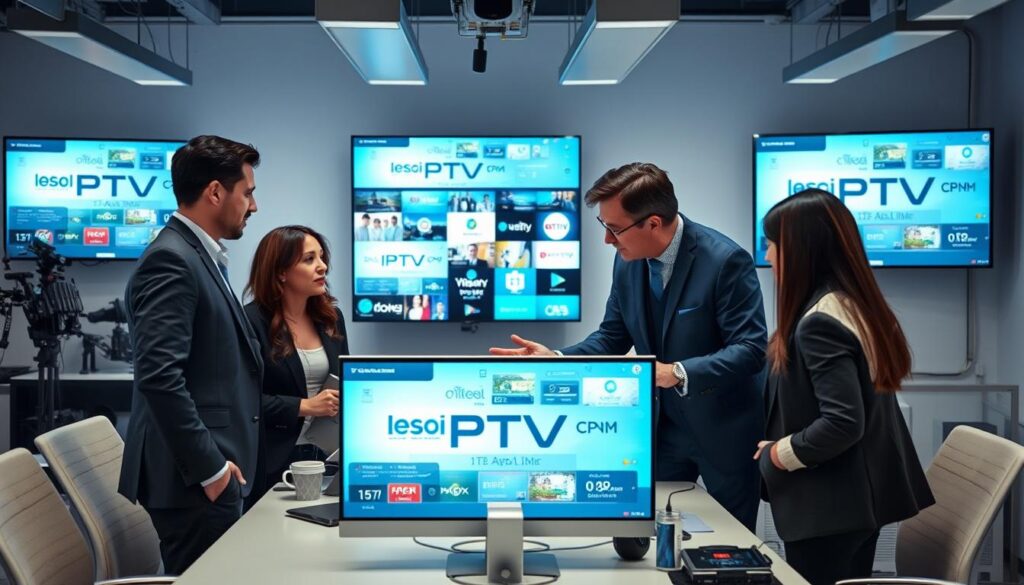
Live IPTV broadcasting offers real-time television programming, mirroring traditional TV but with the advantage of internet delivery. This service is ideal for watching live events, news, and sports. Top live IPTV services provide access to a variety of channels, ensuring users stay up-to-date with current events.
Time-Shifted Media and Catch-Up TV
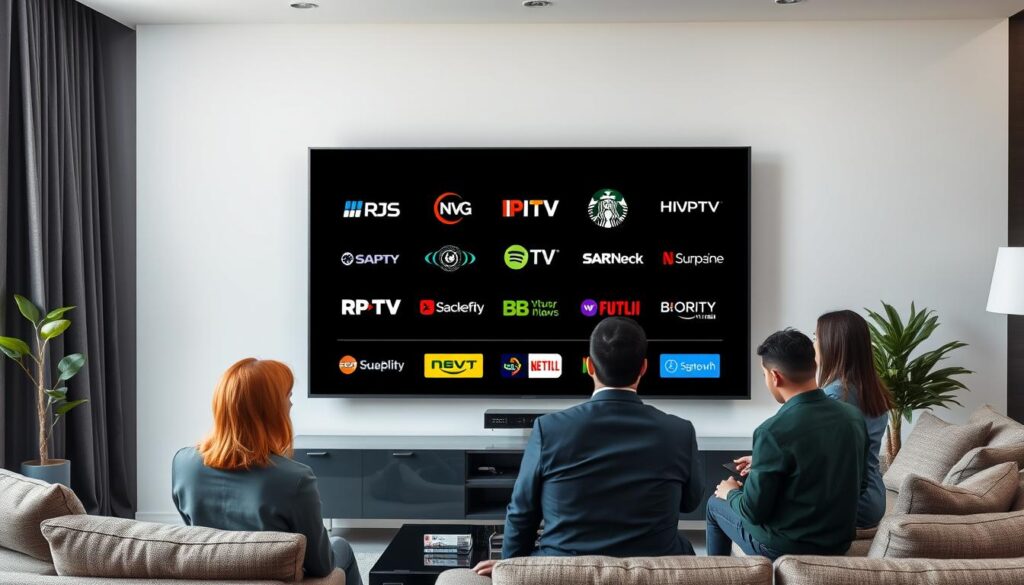
Time-shifted IPTV, or catch-up TV, enables users to watch previously broadcasted shows at a later time. This feature is particularly useful for viewers who miss their favourite programmes due to scheduling conflicts. Services like BBC iPlayer and Hulu offer catch-up TV, allowing users to access content for a limited period after the original broadcast.
- Time-shifted media bridges the gap between scheduled broadcasting and on-demand viewing.
- Catch-up TV typically offers content for a limited window after its original broadcast.
- Advanced time-shifting features often include network DVR functionality.
Essential Equipment for IPTV Viewing
Understanding the essential equipment for IPTV is crucial for a smooth viewing experience. To access IPTV services, you’ll need a few key pieces of equipment.
Internet Connection Requirements
A stable and fast internet connection is vital for IPTV. We recommend a minimum speed of 25 Mbps for standard definition and 50 Mbps for high definition. For more information on IPTV requirements, you can learn more about IPTV services.
IPTV Set-Top Boxes and Devices
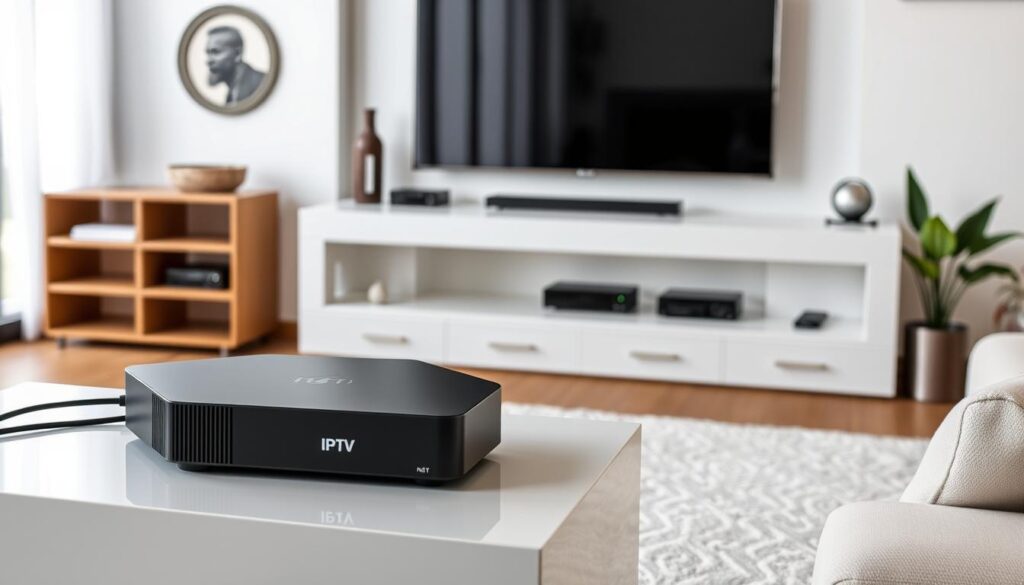
IPTV set-top boxes are dedicated devices that allow you to stream IPTV content directly to your TV. Popular options include devices that support various IPTV apps. When choosing a set-top box, consider the device’s processing power and the availability of your preferred IPTV service.
Smart TVs and IPTV Apps
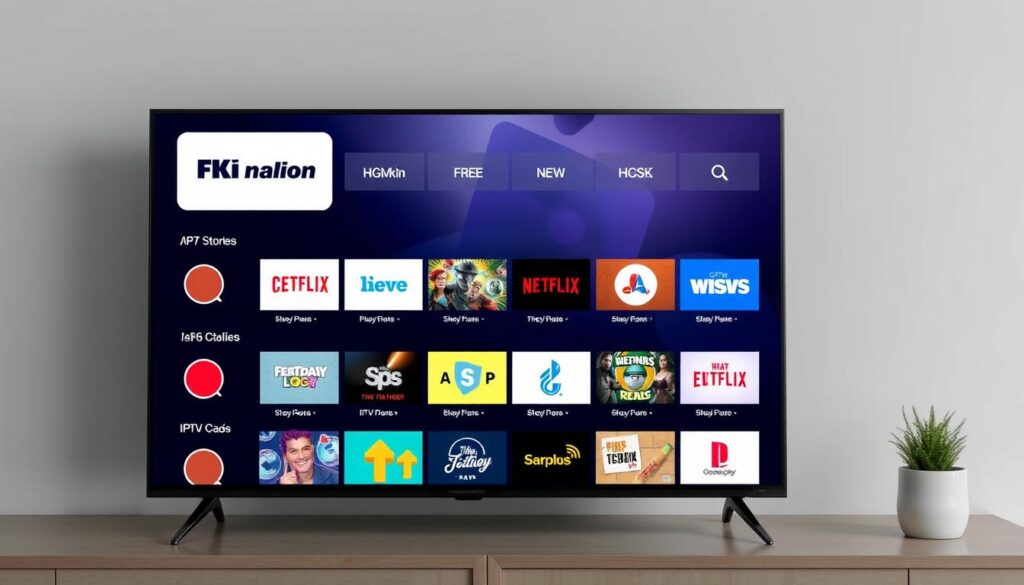
Many modern smart TVs come with built-in IPTV capabilities or support IPTV apps. Major brands like Samsung, LG, and Android TV offer various IPTV applications through their app stores. Popular IPTV apps include IPTV Smarters, GSE Smart IPTV, and Perfect Player, which can transform your smart TV into a comprehensive IPTV solution.
For TVs without smart capabilities, streaming devices like Amazon Fire TV Stick, Roku, or Google Chromecast can add IPTV functionality. Mobile IPTV apps for iOS and Android devices also offer flexibility in viewing.
Benefits of Switching to IPTV
IPTV offers a range of benefits that make it an attractive alternative to traditional TV services. With its flexible and on-demand content access, multi-device compatibility, and cost-effectiveness, IPTV is revolutionising the way we consume television.
Flexibility and On-Demand Content
One of the significant advantages of IPTV is its flexibility. Unlike traditional TV, which follows a rigid broadcast schedule, IPTV allows you to watch your favourite shows and movies at a time that suits you. This on-demand content access means you can pause, rewind, or fast-forward through content as you wish, providing a more personalised viewing experience.
Moreover, IPTV services often come with features like catch-up TV, allowing you to watch programmes you’ve missed. This flexibility is a significant draw for those with busy lifestyles or varied viewing preferences.
Multi-Device Compatibility
IPTV services are designed to be accessible across a range of devices, including smart TVs, smartphones, tablets, and computers. This multi-device compatibility means you can start watching a show on one device and continue on another, without being tied to a specific screen.
For instance, you can begin watching a movie on your TV at home and then continue watching it on your tablet during your commute. This flexibility enhances the overall viewing experience, making it more convenient and enjoyable.
Cost-Effectiveness
Switching to IPTV can also be cost-effective compared to traditional TV services. IPTV providers often offer more flexible pricing models, allowing you to choose packages that are tailored to your viewing preferences. You can visit wavedirect.net for more information on the benefits of IPTV services.
Additionally, many IPTV services operate on a month-to-month basis, eliminating the need for long-term contracts. You can also avoid equipment rental fees by using apps on devices you already own. For a variety of IPTV subscription options, you can explore iptvvuk.com.

Potential Drawbacks and Limitations
While IPTV offers numerous benefits, it’s crucial to consider its limitations. As with any technology, IPTV has its own set of challenges that can impact the user experience.
Internet Dependency and Bandwidth Issues
One of the primary concerns with IPTV is its dependency on a stable internet connection. Buffering and lag can occur if the bandwidth is insufficient, leading to a poor viewing experience. For instance, a minimum internet speed of 25 Mbps is recommended for standard definition streaming, while 4K content requires significantly higher speeds.
Service Reliability Concerns
The reliability of IPTV services can vary greatly depending on the provider. Some users may experience frequent outages or poor customer support, which can be frustrating. It’s essential to choose reputable IPTV providers to minimize these risks.
Content Availability Limitations
Content licensing agreements can result in geographical restrictions, meaning certain channels or programmes may be unavailable in your region. For example, sports content often faces severe licensing restrictions, with blackout rules and exclusive broadcasting rights limiting access to local teams’ matches.
| Content Type | Availability | Restrictions |
|---|---|---|
| Local Channels | Limited | Regional broadcasting rights |
| Sports Content | Restricted | Blackout rules, exclusive rights |
| International Content | Variable | Complex rights agreements |
As you consider switching to IPTV, it’s worth noting that some providers operate in a legal gray area. For more information on choosing legitimate services, you can visit this resource.

Legal Considerations and Choosing Legitimate Services
As IPTV becomes more mainstream, distinguishing between legal and illegal services is essential for consumers. With the rise in popularity of internet television, understanding the legal implications of using IPTV services is crucial.
Understanding Legal vs. Illegal IPTV Services
Legal IPTV services operate with the necessary licenses and permissions to broadcast content, ensuring compliance with copyright laws. In contrast, illegal IPTV services stream content without proper authorization, violating copyright laws and potentially exposing users to security risks. For more information on the legality of IPTV services, you can visit this resource or this detailed analysis.
How to Identify Legitimate IPTV Providers
To identify legitimate IPTV providers, look for services that have transparent licensing agreements and clear terms of service. Legitimate providers typically offer reliable customer support and maintain high-quality streams. Be cautious of services that require unverified downloads or have dubious payment methods.
Risks of Using Unauthorised IPTV Services
Using unauthorised IPTV services poses significant risks, including exposure to malware, spyware, and viruses, which can compromise your device and personal data. Additionally, illegal IPTV services often suffer from poor quality and lack customer support. Users may also face legal consequences for copyright infringement, including substantial fines. The key risks include:
- Unauthorised IPTV services often require users to install unverified applications or modify device settings, creating significant security vulnerabilities.
- These unofficial apps frequently contain malware, spyware, or other malicious code that can compromise your device and home network.
- Using illegal services constitutes copyright infringement, carrying legal risks including potential financial penalties.
- Law enforcement agencies and content owners are increasingly targeting end-users, with several high-profile cases resulting in substantial fines for subscribers.
- Illegal IPTV services typically offer no meaningful customer support, leaving users without recourse when streams fail.
- Your financial information is at greater risk when dealing with unauthorised providers, who may have inadequate security measures.
- By subscribing to illegal services, you’re potentially funding broader criminal enterprises.
By choosing legitimate IPTV services, you can enjoy a secure and reliable viewing experience while supporting lawful content distribution.
Conclusion: The Future of Television Viewing
IPTV is not just changing how we watch television; it’s also transforming who can create and distribute content. As internet speeds increase and content creation tools become more accessible, individuals and small businesses can now launch their own specialized IPTV channels. This democratization is breaking down barriers that once limited broadcasting to large corporations.
The future of television will feature a vibrant ecosystem of niche channels, each catering to specific passions or interests. IPTV technology provides the backbone for this revolution, enabling a more diverse, personalized, and engaging media landscape. As the cost and complexity of content delivery continue to fall, the only limit will be the creator’s imagination.
Key trends shaping the future of IPTV include the convergence of services with other digital experiences, increased use of artificial intelligence for content discovery, and potential consolidation as consumers seek integrated solutions. Regulatory frameworks will also evolve to address the unique challenges of internet-based broadcasting. Overall, IPTV represents a significant shift in television consumption, offering a more active and on-demand viewing experience.