
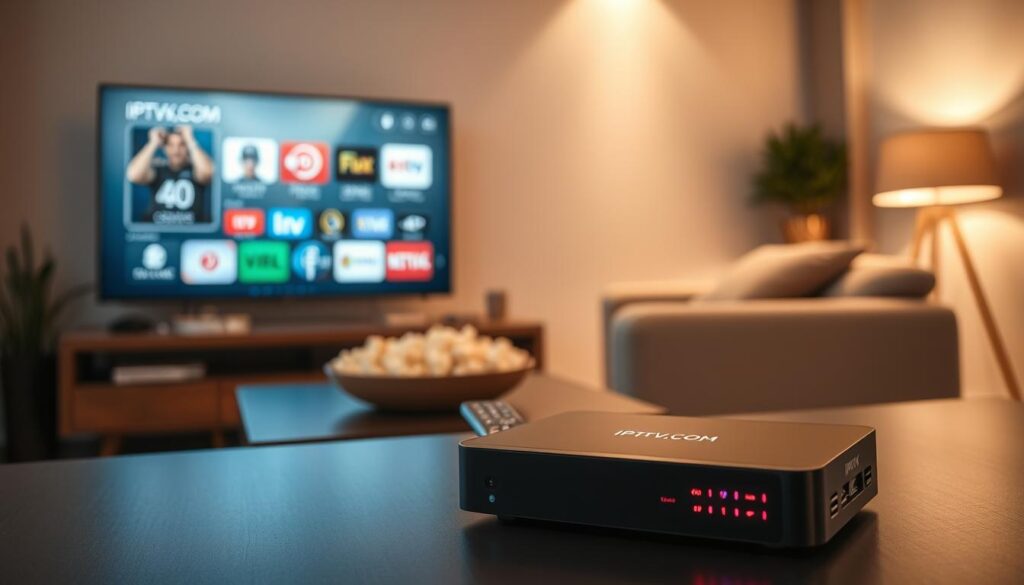
IPTV, or Internet Protocol Television, has revolutionised the way we consume television content. By transmitting televised content over the internet, IPTV services offer a flexible alternative to traditional cable or satellite subscriptions.
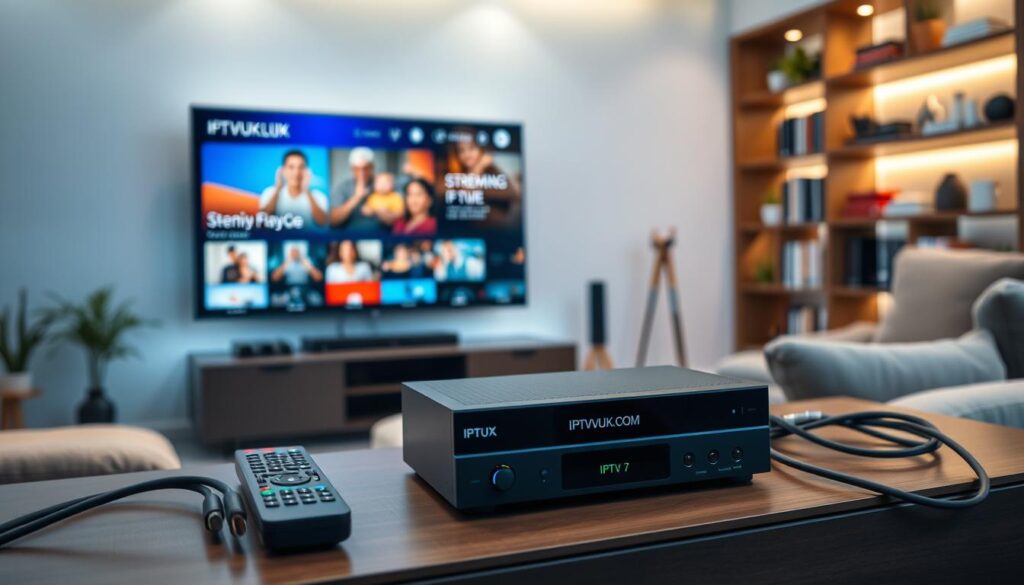
An IPTV TV box connects to your television and uses your internet connection to stream channels and on-demand content from various providers. With numerous options available, ranging from budget-friendly basic models to premium devices with advanced features, it’s essential to understand the key features, specifications, and pricing options before making an informed decision.
You can enjoy a superior streaming experience with the right IPTV TV box, tailored to your specific entertainment needs. This comprehensive guide will help you compare popular models, answer your questions about IPTV technology, and provide practical advice on setup and optimisation.
Key Takeaways
- Understand the key features and specifications of IPTV TV boxes to make an informed decision.
- Compare popular IPTV TV box models and their pricing options.
- Learn how to set up and optimise your IPTV TV box for the best viewing experience.
- Discover the benefits of using an IPTV TV box over traditional cable or satellite subscriptions.
- Get answers to common questions about IPTV technology and its applications.
Understanding IPTV TV Boxes
IPTV TV boxes are revolutionizing the way we consume television content. As the name implies, IPTV stands for “Internet Protocol Television,” and these devices transmit televised content over the internet, including live streaming videos or on-demand content.
What Is an IPTV Box?
An IPTV box is a device that allows users to access television content via the internet. Unlike traditional TV services, IPTV boxes use your existing internet connection to deliver a wide range of content, including international channels and specialized content.
How IPTV Boxes Differ from Traditional TV Services
IPTV boxes differ significantly from traditional TV services in several ways. The key differences are highlighted in the table below:
| Feature | IPTV Boxes | Traditional TV |
|---|---|---|
| Content Delivery | Internet Connection | Broadcast Signals/Cable |
| On-Demand Viewing | Available | Limited |
| Customization | Highly Customizable | Limited Options |
To explore more about IPTV services and how to subscribe, visit https://www.iptvvuk.com/iptv-subscribe/ for detailed information.
Essential Features to Look for in an IPTV TV Box
The right IPTV TV box can significantly enhance your streaming experience, but you need to know what to look for. When choosing an IPTV TV box, several factors come into play to ensure you get the best viewing experience.
Processing Power and Performance
A robust processor is crucial for smooth performance. Look for boxes with at least a dual-core processor to handle demanding tasks like streaming high-definition content. The processing power directly impacts how well your IPTV box performs, especially with multiple applications running simultaneously.
Resolution and Video Quality Support
Ensure the IPTV box supports the resolution of your TV. For HD TVs, a box that supports at least 1080p is necessary, while 4K TVs require a box that can handle 4K resolution. This ensures you get the best possible video quality.
Connectivity Options
Varied connectivity options are essential for flexibility. Look for IPTV boxes with Wi-Fi, Ethernet, and Bluetooth capabilities. This allows you to connect to the internet and other devices easily, enhancing your overall experience.
Storage Capacity and Expandability
Adequate storage is vital for recording and storing content. Many IPTV boxes come with internal storage ranging from 8GB to 128GB. Some models, like the XR4000 IPTV box, offer expandable storage via USB or microSD cards, allowing you to store more apps and recordings. Consider a box with sufficient storage for your needs and the ability to expand it if necessary.
By focusing on these key features, you can select an IPTV TV box that meets your viewing requirements and provides a superior streaming experience.
Top IPTV TV Box Models in 2023
In this section, we’ll delve into the top IPTV TV box models of 2023, highlighting their key features and benefits. Whether you’re looking for superior performance, advanced features, or user-friendly interfaces, we’ve got you covered.
Formuler Z8 Android IPTV Box
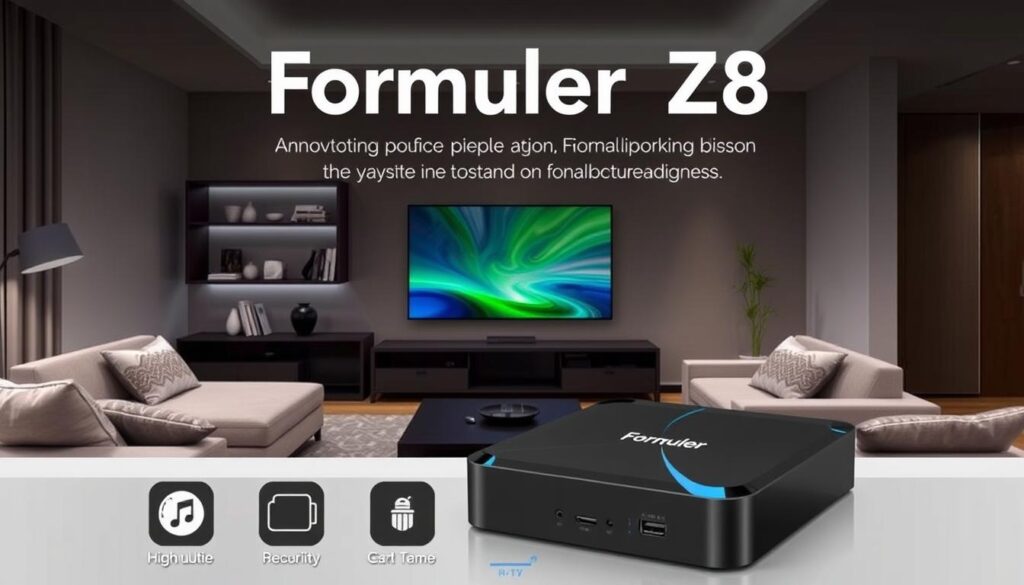
The Formuler Z8 Android IPTV Box is a powerful device that offers seamless streaming and a wide range of features. With its Android operating system, users can enjoy a familiar interface and access to various apps. To find out more about the Formuler Z8 IPTV box price, you can visit the official website or check out authorised retailers.
One of its standout features is its ability to support 4K resolution, ensuring a crisp and clear viewing experience. Additionally, the device comes with ample storage, allowing users to store their favourite apps and content.
MAG 544w3 and MAG 555 Series
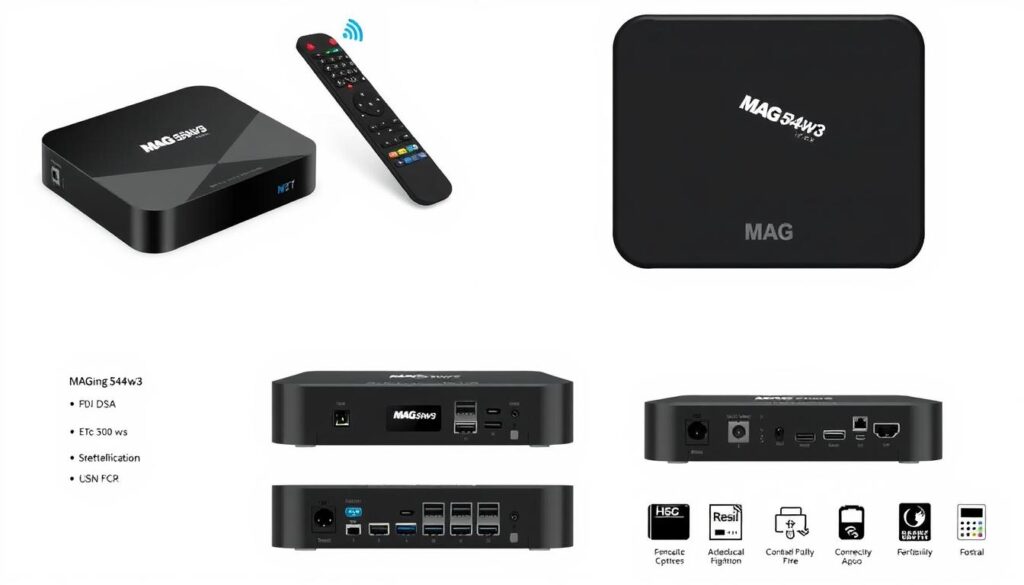
The MAG 544w3 and MAG 555 Series are renowned for their reliability and advanced features. These IPTV boxes offer superior streaming quality and are equipped with the latest technology to ensure a smooth user experience. For more information on the MAG 544w3 IPTV box features, you can explore dedicated review sites or the manufacturer’s website.
They also provide robust parental controls, allowing families to manage and restrict content according to their preferences.
BuzzTV XR4000
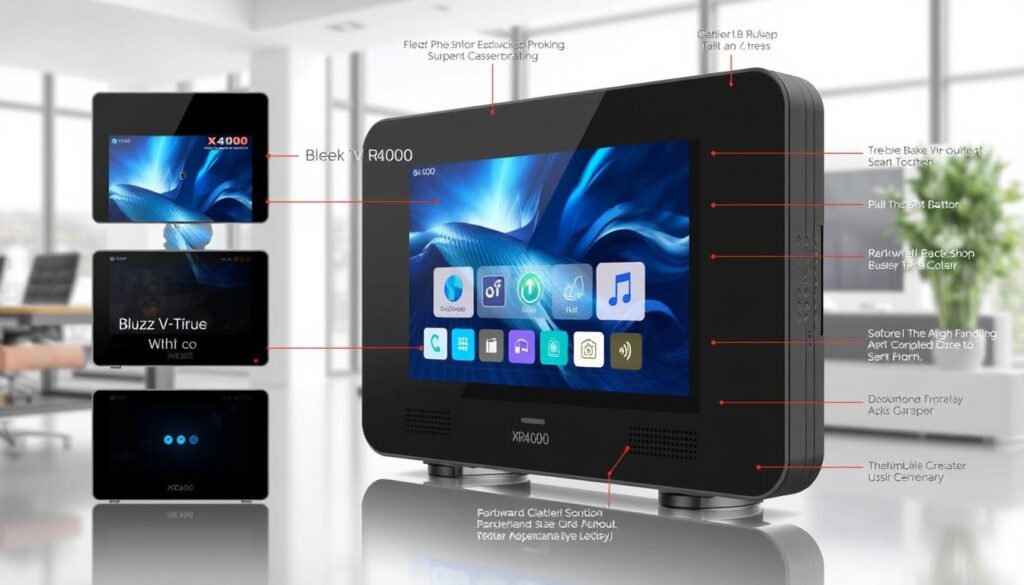
The BuzzTV XR4000 is a popular choice among IPTV users, known for its user-friendly interface and excellent streaming capabilities. To read more about the BuzzTV XR4000 IPTV box review, you can check out tech blogs or forums where users share their experiences.
It also features voice control, making it easier for users to navigate and find their favourite content.
SuperBox S7 Max
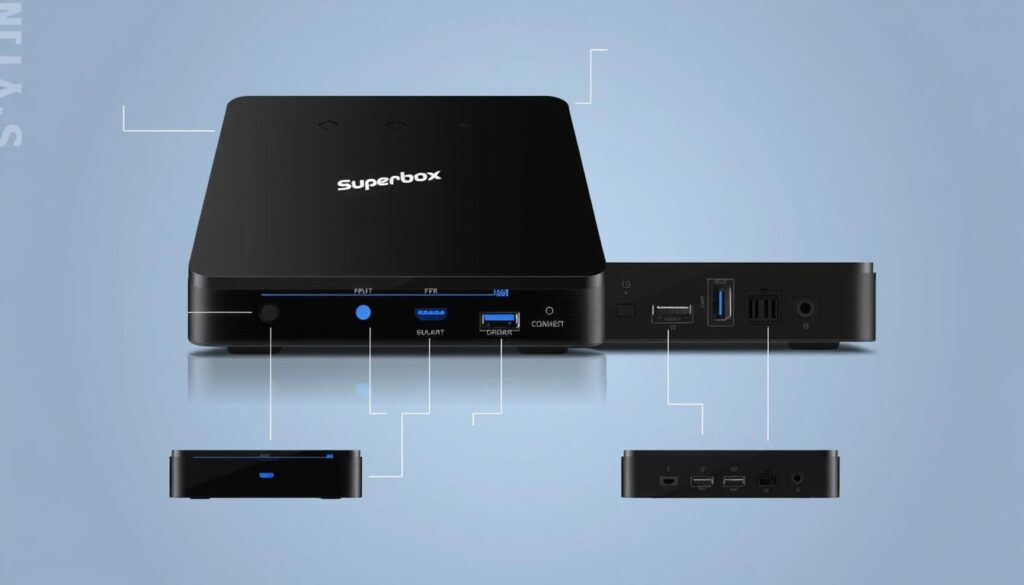
The SuperBox S7 Max represents a premium edition of an IPTV box, equipped with extended 7-day time shift functionality, allowing viewers to watch TV on their schedule. For more details about the SuperBox S7 Max IPTV box, you can visit https://www.iptvvuk.com/ig-iptv/.
Its brand-new UI/UX design prioritises user-friendliness, while the comprehensive parental control system provides peace of mind for families. Additionally, the device features voice control capabilities and cutting-edge connectivity options, including Type-C USB ports and WiFi 6 support.
IPTV Box vs. Android TV Box: Key Differences
For those looking to cut the cord, understanding the differences between IPTV boxes and Android TV boxes is crucial. Both devices offer unique viewing experiences, catering to different user preferences and needs.
Specialisation vs. Versatility
An IPTV box is specifically designed for streaming IPTV content, offering a focused and optimized viewing experience. In contrast, an Android TV box is more versatile, capable of running various apps and services beyond IPTV streaming. While an IPTV box is purpose-built for IPTV, an Android TV box provides a broader range of functionalities.
To illustrate the differences, consider the following comparison:
| Feature | IPTV Box | Android TV Box |
|---|---|---|
| Primary Function | IPTV Streaming | Multi-purpose Streaming and Apps |
| User Interface | Channel-centric, TV-oriented | App-based, Android OS |
| Cost | Generally more expensive | Often more affordable |
User Interface and Experience
The user interface and experience differ significantly between IPTV boxes and Android TV boxes. IPTV boxes typically feature interfaces designed specifically for television viewing, with remote-friendly navigation and channel-centric organisation. This makes them intuitive for users transitioning from traditional TV. On the other hand, Android TV boxes utilise the Android operating system, prioritising app-based content discovery.
For a more detailed comparison between IPTV boxes and other streaming devices, you can visit this resource, which provides insights into the differences between IPTV boxes, OTT boxes, and Android TV boxes.
When choosing between an IPTV box and an Android TV box, consider your specific needs and preferences. If you prioritise a seamless IPTV streaming experience, an IPTV box might be the better choice. However, if you’re looking for a more versatile device that can handle multiple streaming services and apps, an Android TV box could be more suitable.
Pricing Guide: What to Expect at Different Price Points
When considering an IPTV box, understanding the pricing can be crucial to making an informed decision. IPTV boxes are available across various price ranges, each offering a unique set of features and capabilities that cater to different user needs.
Budget Options (£50-£80)
Budget-friendly IPTV boxes, priced between £50-£80, offer basic functionality. For those looking for affordable options, checking out the latest Android boxes can provide insights into what’s available in this range.
Mid-Range Models (£80-£150)
Mid-range IPTV boxes (£80-£150) provide a balance between price and performance. These models often include improved processing power, better connectivity options like WiFi 6, and enhanced user interfaces. For instance, some models in this range may offer advanced features such as parental control and time-shifting capabilities, allowing for a more personalized viewing experience.
Premium IPTV Boxes (£150+)
Premium IPTV boxes, priced £150 and above, offer top-tier performance and advanced features. The SuperBox S7 Max is a prime example, featuring extended 7-day time shift, brand-new UI/UX design, and comprehensive parental controls. These high-end devices ensure a seamless viewing experience with optimised service compatibility and superior handling of high-bitrate streams. You can explore premium IPTV providers at IPTV UK for more information.
| Price Range | Key Features | Example Models |
|---|---|---|
| £50-£80 | Basic functionality, limited features | Basic IPTV boxes |
| £80-£150 | Improved performance, better connectivity | MAG 544w3 |
| £150+ | Advanced features, top-tier performance | SuperBox S7 Max |
Setting Up Your IPTV Box for Optimal Performance
Optimizing your IPTV box setup can significantly enhance your streaming experience. To achieve this, you need to focus on a few key aspects.
Internet Connection Requirements
A stable internet connection is vital for smooth streaming. For most IPTV services, a minimum speed of 10 Mbps is recommended for HD content, but this can vary depending on the service provider and the quality of the stream. You can check the recommended speed on your IPTV service provider’s website or consult their documentation.
Optimising Settings for Smooth Streaming
Adjusting your IPTV box settings can help prevent buffering and other issues. Reducing video quality settings or moving your IPTV box closer to your router can often resolve connectivity problems. For more detailed configuration instructions, you can refer to guides like the one on IPTV configuration.
Troubleshooting Common Issues
Common problems like buffering, black screens, or audio sync issues can often be resolved with simple troubleshooting steps.
| Issue | Solution |
|---|---|
| Buffering | Check internet speed, reduce video quality, or move IPTV box closer to router |
| Black screens or “no signal” | Check authentication with IPTV service or HDMI connection |
| Audio sync problems | Adjust audio delay settings in IPTV box configuration |
Regular system updates and creating backups of your configuration can also help prevent and resolve issues.
Conclusion
The IPTV landscape is rapidly evolving, making it vital to choose an IPTV box that meets your current and future needs. When selecting an IPTV box, you must balance your budget against your specific entertainment needs and technical requirements.
For more information on IPTV services, you can visit SharkTV or read the IPTV research paper for in-depth insights. Additionally, exploring options on IPTVVUK can help you find the best IPTV solutions.