
Television has undergone a significant transformation, moving away from traditional giant cable boxes and expensive satellite packages. Millions of viewers have made the switch, ditching their cable TV providers for Internet Protocol Television (IPTV). This shift offers numerous benefits, including additional choices, better quality, and lower prices. With IPTV, you can stream TV channels, movies, and shows on demand directly from the internet.
The world of IPTV can be complex, with various service providers and technologies available. This guide is designed to help you navigate this landscape and make an informed decision about which IPTV service best suits your entertainment needs.
Key Takeaways
- Understand how IPTV technology works and its benefits over traditional cable services.
- Discover the top IPTV service providers and their features.
- Learn about the key considerations for choosing a compliant and secure IPTV service.
- Get expert advice on device compatibility and troubleshooting common issues.
- Make an informed decision based on detailed comparisons of content libraries, streaming quality, and pricing structures.
Understanding IPTV Streams and How They Work
IPTV streams are revolutionizing the way we consume television content, offering a flexible alternative to traditional viewing methods. As we explore IPTV technology, it’s essential to understand its core principles and how it differs from conventional cable TV.
What Is IPTV Technology?
IPTV, or Internet Protocol Television, is a streaming service that delivers television content over the internet. This technology allows users to access a wide range of channels and on-demand content using their internet connection. With IPTV, you can enjoy live TV, movies, and series on various devices, including Smart TVs, smartphones, and computers.
The key benefits of IPTV technology include:
- Access to thousands of channels from around the world
- On-demand libraries with a vast selection of movies and series
- Multi-device compatibility for viewing on the go
- High-quality streaming, including HD and 4K UHD
How IPTV Differs from Traditional Cable TV
Traditional cable TV operates on a fixed schedule, whereas IPTV offers flexibility with on-demand content and customizable viewing schedules. Unlike cable TV, which requires dedicated physical infrastructure, IPTV utilizes existing internet connections, eliminating the need for additional wiring or hardware installation.
The main differences between IPTV and traditional cable TV are:
- IPTV offers more extensive channel selections at lower price points
- IPTV quality depends on internet connection speed and stability
- IPTV services provide more flexible subscription models without equipment leasing requirements
By understanding these differences, you can make an informed decision about which service best suits your viewing needs and preferences.
The Rise of IPTV Streams in Modern Entertainment
The rise of IPTV streams has dramatically changed how we consume entertainment content. With the proliferation of high-speed internet and advancements in streaming technology, IPTV services have become an attractive alternative to traditional cable television.
Evolution from Cable to Internet Protocol Television
The shift from traditional cable to Internet Protocol Television (IPTV) represents a significant evolution in how we access and enjoy entertainment. IPTV services deliver content via the internet, offering greater flexibility and personalisation compared to conventional broadcasting methods. This transition has been driven by consumer demand for on-demand content and the ability to watch programmes on various devices.
Current Market Trends and Growth
The global IPTV market is experiencing rapid expansion, driven by several key trends. Specialisation has become a significant factor, with providers focusing on niche markets such as sports, international programming, and premium entertainment channels. For instance, providers like IPTV Trends offer stability, while XtreamView IPTV boasts a vast content catalog. You can explore various IPTV providers to find one that suits your needs.
- The global IPTV market is growing exponentially as consumers increasingly abandon traditional TV services.
- Providers are specialising in niches like sports and international content to differentiate themselves.
- Consolidation is occurring as larger telecom companies acquire successful IPTV services.
- Technological advancements are enabling higher quality content (4K and 8K) with less bandwidth.
- AI integration is enhancing personalisation and user experience among premium IPTV services.
Benefits of Choosing IPTV Streams Over Traditional Cable
IPTV streams provide a more flexible and cost-effective alternative to traditional cable services. This shift is driven by the numerous advantages IPTV offers, making it an attractive option for modern viewers.
Cost-Effectiveness and Flexibility
One of the primary benefits of IPTV streams is their cost-effectiveness. Unlike traditional cable TV, IPTV services often come with more flexible pricing plans, allowing users to choose packages that suit their viewing habits. This flexibility is a significant advantage for those looking to cut down on unnecessary expenses. You can subscribe to IPTV services that offer tailored plans, ensuring you get the best value for your money.
Global Content Access and Variety
IPTV streams offer access to a vast array of global content, providing viewers with a much broader range of channels and on-demand content than traditional cable TV. This variety is particularly appealing to those interested in international programming or niche content not typically available through conventional cable services. With IPTV, you can enjoy content from around the world, all from the comfort of your home.
Multi-Device Compatibility
The ability to watch IPTV streams on multiple devices is another significant benefit. Whether you’re using a smart TV, Android device, Firestick, computer, or smartphone, IPTV services are designed to be compatible with a wide range of devices. This compatibility enables seamless viewing transitions, allowing you to start watching content on one device and continue on another without interruption. Most premium IPTV providers offer dedicated apps for various platforms, including iOS, Android, Windows, and macOS, enhancing the user experience across different screens.
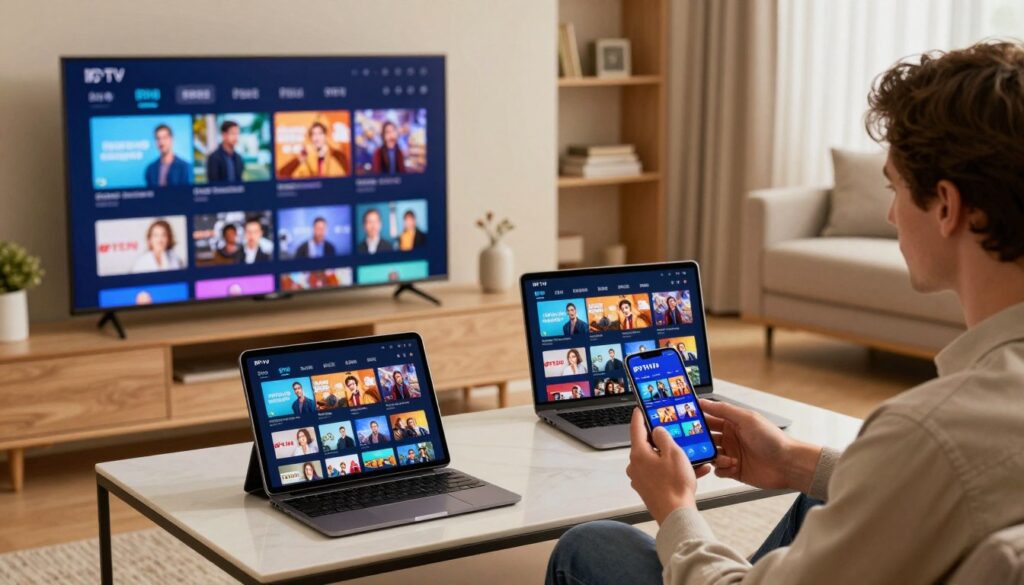
Furthermore, many IPTV services support simultaneous streams on multiple devices under a single subscription. This feature is particularly useful for households with multiple viewers, as it allows different members to watch different content simultaneously without additional costs. The flexibility and convenience offered by IPTV streams make them an attractive option for those looking to modernize their viewing experience.
Top IPTV Service Providers in 2024
The year 2024 brings with it a new generation of IPTV services, each vying for the attention of cord-cutters and streaming enthusiasts. As the demand for high-quality streaming continues to grow, several IPTV service providers have emerged as leaders in the market.
EagleCast TV
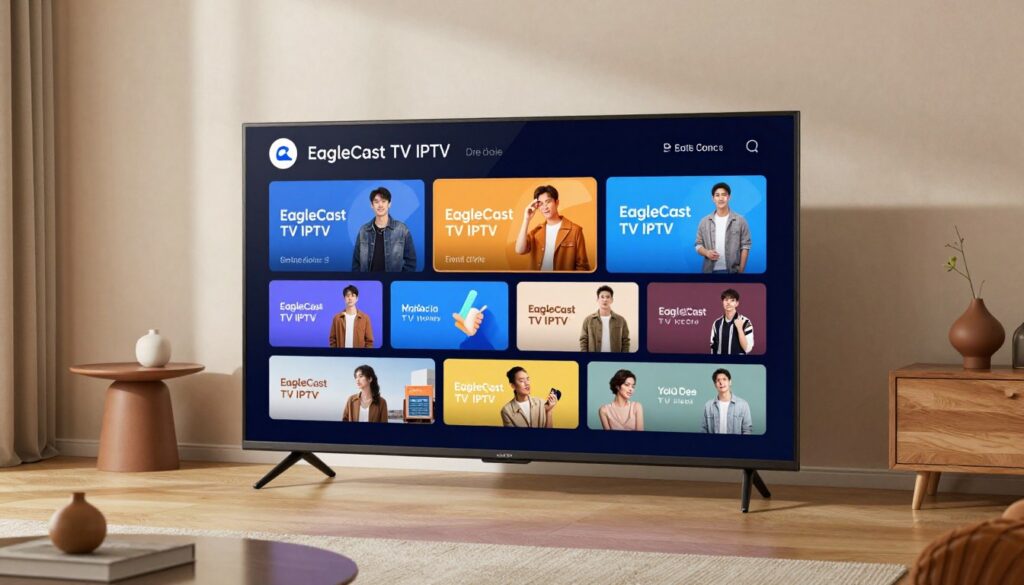
EagleCast TV is a prominent IPTV service provider known for its extensive channel lineup and high-quality streaming. With a focus on customer satisfaction, EagleCast TV offers a robust service that includes a wide range of channels and on-demand content.
Tellystudio
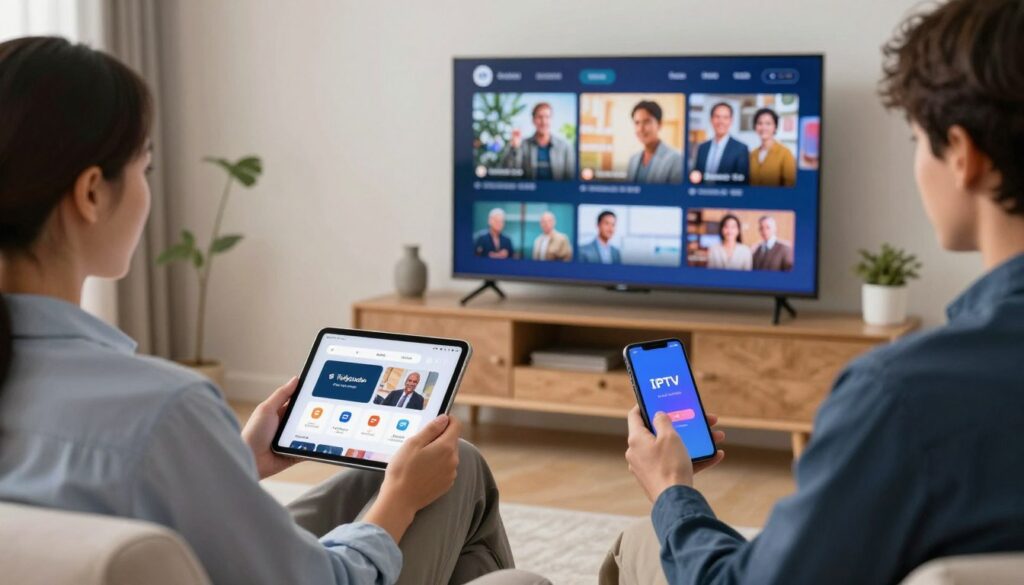
Tellystudio stands out for its flexible subscription plans and user-friendly interface. The service provides access to a vast library of content, including premium sports channels and popular TV series.
TiVistation
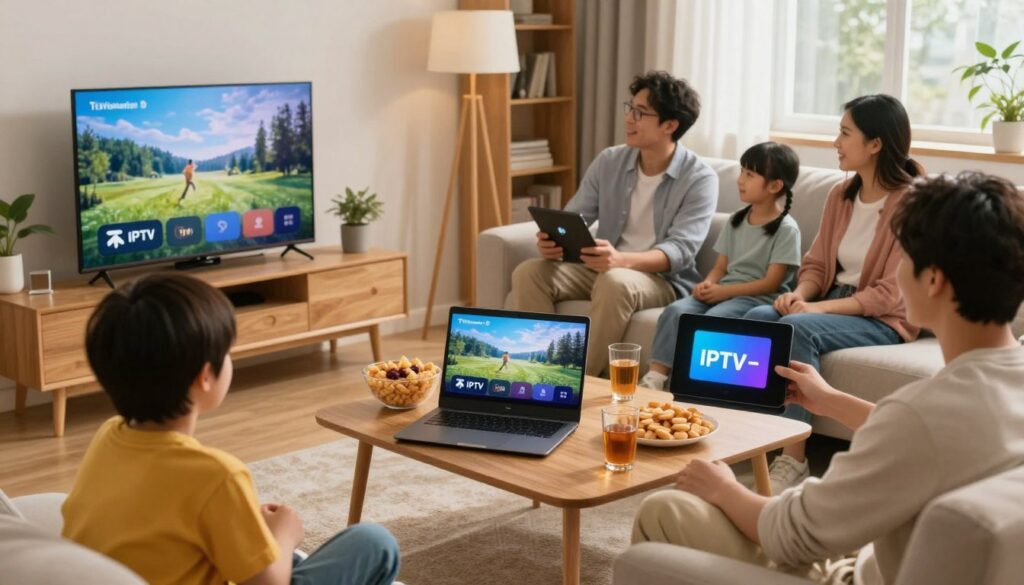
TiVistation is recognised for its reliable streaming and comprehensive content offerings. The service boasts an impressive uptime rate and a diverse selection of channels and on-demand content.
OTTOcean
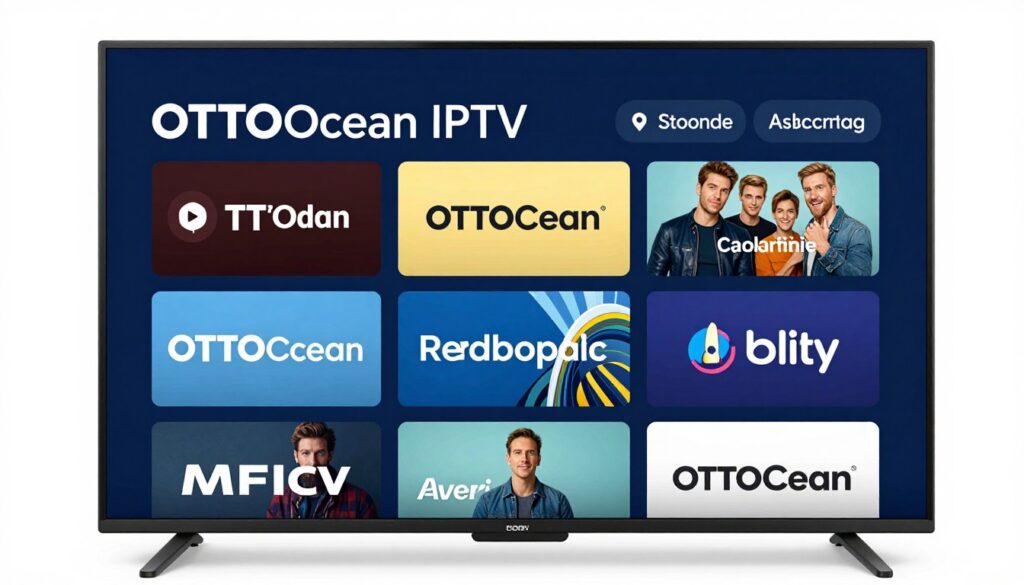
OTTOcean is a notable IPTV service provider that offers a broad range of channels and high-quality streaming. The service is designed to meet the needs of various viewers, with features such as anti-freeze technology to prevent stream interruptions.
IPTVtune
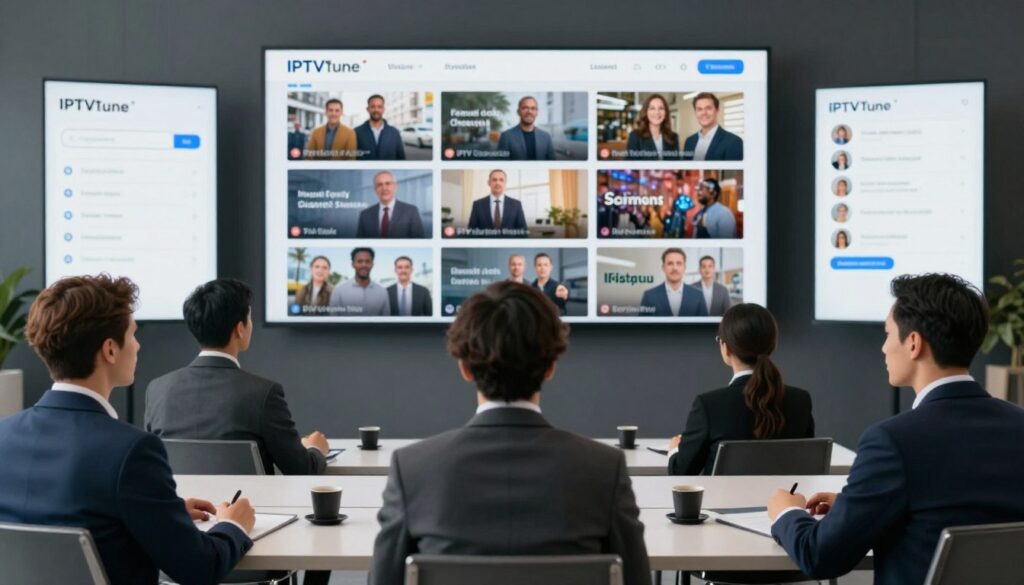
IPTVtune has established itself as a leading IPTV service provider, boasting an impressive 99.99% uptime rate and a vast selection of over 10,000 TV channels, including more than 200 premium sports networks. The service is known for its “AntiFreeze Technology” and commitment to customer satisfaction through 24/7 live support.
Specialised IPTV Services for Different Needs
The world of IPTV is becoming increasingly specialised, offering tailored experiences for different audience segments. As viewers’ preferences continue to diversify, IPTV providers are responding with niche services that cater to specific interests and needs.
Sports-Focused IPTV Options
For sports enthusiasts, there are IPTV services that specialise in delivering high-quality sports content. These services often include access to premium sports channels, live event coverage, and sports news programmes. When looking for sports-focused IPTV services, you can expect features such as multi-screen viewing, allowing you to watch multiple events simultaneously.

International and Ethnic Content Providers
IPTV services are also catering to the needs of international and ethnic communities by offering a wide range of channels and content from around the world. These services provide access to global news, cultural programmes, and entertainment content in various languages. You can find IPTV providers that specialise in content from specific regions, such as IPTV providers in the UK, offering a diverse selection of international channels.

Entertainment and VOD-Centric Services
Entertainment-focused IPTV services prioritise extensive on-demand libraries alongside live channels. These services often feature tens of thousands of movies and TV series, organised into intuitive categories. Providers like IPTV Subscription Pro offer family-friendly options with robust parental controls and dedicated children’s sections. The user interfaces are typically sophisticated, with Netflix-style browsing experiences and personalised recommendations.
Subscription costs for premium entertainment-focused IPTV services generally range from £12-25 monthly, with higher tiers offering larger VOD libraries and more premium entertainment channels. When choosing an IPTV service, consider the balance between live channels, on-demand content, and additional features to find the best fit for your entertainment needs.

Essential Features to Look for in IPTV Streams
A great IPTV service is defined by several critical elements that impact your overall enjoyment. When choosing an IPTV streaming service, it’s crucial to consider these features to ensure a satisfying viewing experience.
Stream Quality and Resolution Options
The quality of your IPTV streaming experience depends heavily on the stream quality and resolution options available. Look for services that offer high-definition (HD) and 4K resolution for the best picture quality. Some providers may also offer adaptive bitrate streaming, which adjusts the stream quality based on your internet connection speed, ensuring a smooth viewing experience.
Channel Selection and Content Libraries
The variety and depth of channel selection and content libraries are vital. A good IPTV service should offer a wide range of channels, including sports, entertainment, news, and international content. Check if they have a robust content library with on-demand movies and TV shows. For more information on finding the best IPTV provider, you can refer to The Ultimate Guide to Finding the Best IPTV Provider in.
User Interface and Experience
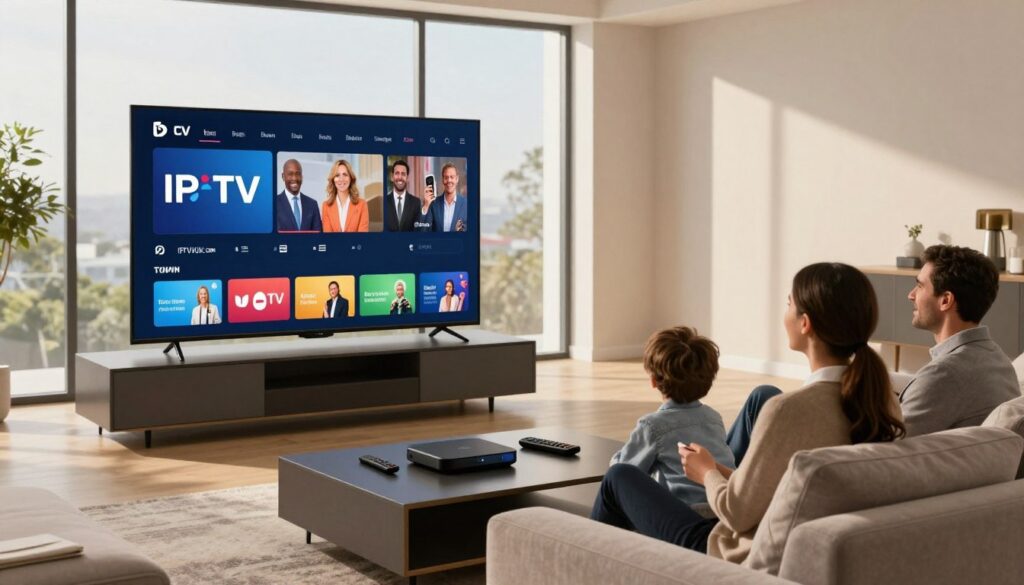
The user interface is your gateway to content, making it a critical factor in the overall IPTV experience. Look for services with clean, intuitive designs that make navigation effortless across different devices. Key features to consider include:
- Customisable favourites lists and recently watched sections
- Robust search functionality to quickly find specific channels or content
- A comprehensive Electronic Programme Guide (EPG) with detailed programme information
- Smooth and responsive app performance across all supported devices
By focusing on these essential features, you can significantly enhance your IPTV streaming experience, ensuring that you get the most out of your subscription.
Legal and Security Considerations for IPTV Streams
As IPTV continues to grow in popularity, understanding its legal and security implications becomes increasingly important. When selecting an IPTV service, users must be cautious about the legal status of the provider and the security measures they have in place.
Understanding Legal vs. Grey Area Services
It’s essential to differentiate between legitimate IPTV services and those operating in grey areas. Legitimate services have proper licensing agreements with content providers, while grey area services may offer copyrighted content without permission. To avoid potential legal issues, check if the IPTV service is by researching their licensing agreements and user reviews.
Grey area services often pose significant risks, including exposure to malware, poor service quality, and potential legal consequences for users. Therefore, it’s crucial to research the IPTV provider thoroughly before subscribing.
Copyright Implications and Compliance
Copyright laws vary by country, but most IPTV services must comply with these regulations to operate legally. Legitimate IPTV providers obtain necessary licenses for the content they stream, ensuring compliance with copyright laws. Users should be aware that accessing copyrighted content through unauthorized services can lead to legal repercussions.
To ensure compliance, look for IPTV services that explicitly state their adherence to copyright laws and have transparent licensing agreements. This not only protects users but also supports content creators by ensuring they receive fair compensation for their work.
Protecting Your Data and Privacy
Data security is a primary consideration when selecting an IPTV service, as providers typically require personal information and payment details during registration. Legitimate services implement robust encryption protocols for both content delivery and user data protection, safeguarding your viewing habits, personal information, and payment details from unauthorized access.
When reviewing an IPTV service’s privacy policy, pay attention to what data is collected, how it’s used, whether it’s shared with third parties, and how long it’s retained after service termination. Additionally, consider the service’s VPN compatibility and payment security measures to ensure your data remains protected.
By understanding the legal and security considerations associated with IPTV streams, users can make informed decisions about their viewing choices and protect themselves from potential risks.
Setting Up Your IPTV Streams: Compatible Devices and Requirements
For a buffer-free IPTV viewing experience, it’s crucial to select compatible devices and have an appropriate internet setup. Ensuring your devices and internet connection meet the necessary criteria will significantly enhance your IPTV streaming experience.
Smart TVs and Dedicated IPTV Boxes
Many modern Smart TVs come with built-in IPTV apps, making it easy to access your favourite channels. Dedicated IPTV boxes, such as those found on IPTV Apps and Devices, offer another robust option for users seeking more channel variety or better performance.
Mobile Devices and Tablets
Mobile devices and tablets are also compatible with IPTV services, allowing users to watch their favourite content on the go. Many IPTV providers offer dedicated apps for Android and iOS devices, ensuring a seamless viewing experience across different platforms.
Bandwidth and Internet Requirements
The quality of your IPTV streaming is heavily dependent on your internet connection. For standard definition content, a minimum speed of 3-5 Mbps is recommended, while HD content requires 5-10 Mbps, and 4K Ultra HD streaming demands at least 25 Mbps. Ensuring your internet service can meet these requirements is vital for a smooth streaming experience.
Other factors to consider include connection stability, data usage, and network configuration. A wired ethernet connection can provide more consistent performance than WiFi, especially for high-definition content. Additionally, advanced compression technologies like H.265/HEVC can reduce bandwidth requirements, but require compatible devices with sufficient processing power.
Troubleshooting Common IPTV Streams Issues
When using IPTV services, users often encounter various technical issues that can disrupt their viewing experience. Understanding how to troubleshoot these problems is essential for maintaining a smooth and enjoyable streaming service.
Buffering and Streaming Quality Problems
Buffering and poor streaming quality are common issues with IPTV services. These problems can often be resolved by checking your internet connection speed and ensuring it meets the requirements for IPTV streaming. For more detailed guidance, you can refer to resources on how to fix IPTV buffering. Using a VPN can sometimes help by reducing ISP throttling, which can cause buffering.
Connection and Authentication Errors
Connection and authentication errors can prevent access to IPTV services. These issues may arise due to incorrect login credentials or problems with the IPTV provider’s servers. Ensuring that your subscription is active and that your device is correctly configured can help resolve these issues. Users should also check for any service alerts from their IPTV service provider.
Channel Access and Availability Issues
Channel availability can fluctuate with most IPTV services due to licensing changes, technical issues, or legal concerns. Regional restrictions may also cause channels to appear unavailable. Additionally, EPG synchronisation problems can lead to channels being listed incorrectly. Understanding these limitations can help users troubleshoot channel access issues more effectively.
Future Trends in IPTV Streaming Technology
The IPTV streaming landscape is on the cusp of a revolution, driven by technological advancements and changing viewer preferences. As IPTV streaming continues to evolve, several key trends are emerging that promise to enhance the viewing experience.
Integration with Smart Home Systems
One of the significant trends is the integration of IPTV streaming services with smart home systems. This integration allows for a more seamless and connected viewing experience, enabling users to control their entertainment systems more efficiently. For instance, voice commands through smart speakers can be used to navigate through channels and content, making it a more user-friendly experience.
AI-Enhanced Content Recommendations
Another trend is the use of AI-enhanced content recommendations. By leveraging artificial intelligence, IPTV services can offer personalized content suggestions based on viewing history and preferences. This not only enhances user engagement but also helps in discovering new content that aligns with their interests.
Ultra HD and Advanced Streaming Technologies
The adoption of Ultra HD and advanced streaming technologies is also on the rise. Technologies like MatrixCast Ultra HD 4K OTT streaming allow viewers to enjoy high-quality video content over any broadband connection. Additionally, advancements such as 8K resolution streaming, High Dynamic Range (HDR) content, and object-based audio technologies like Dolby Atmos are set to further enhance the viewing experience.
Some of the key advancements include:
- 8K resolution streaming, offering unprecedented detail and clarity.
- Advanced codec technologies like AV1 and VVC, reducing bandwidth requirements while maintaining visual quality.
- HDR content becoming standard, providing enhanced contrast and colour accuracy.
- Object-based audio technologies creating immersive soundscapes.
- Low-latency streaming protocols reducing delays for live events.
As research indicates, these advancements are crucial for the future of IPTV streaming, enabling providers to offer high-quality services that meet the evolving demands of consumers. The future of IPTV streaming technology looks promising, with these trends set to redefine the entertainment landscape.
Conclusion
The IPTV landscape has transformed dramatically, offering users a more flexible and cost-effective alternative to traditional cable TV. With the numerous IPTV services available today, you can enjoy a wide range of channels and content tailored to your preferences.
When selecting the best IPTV services, it’s crucial to prioritise quality and service to ensure a seamless streaming experience. The technical requirements for optimal IPTV streaming are relatively modest by today’s standards, with most households already possessing the necessary internet bandwidth and compatible devices.
As the technology continues to evolve, we can expect even more impressive features, including deeper integration with smart home systems and enhanced visual and audio quality standards. Whether you’re a sports enthusiast or an entertainment connoisseur, the current IPTV marketplace offers solutions tailored to virtually every viewing preference and budget.
By carefully evaluating the providers discussed in this guide against your specific requirements and technical capabilities, you can confidently select an IPTV service that will deliver exceptional entertainment value for years to come. For more information on the technology behind IPTV, you can refer to the patent filed for IPTV streaming innovations on Google Patents, which highlights the advancements in this field.
In conclusion, if you want to save money, get more content options, and flexibility, going with IPTV streams is an obvious choice. With this guide, you are now more qualified to choose a service that meets your needs and enhances your viewing experience.